
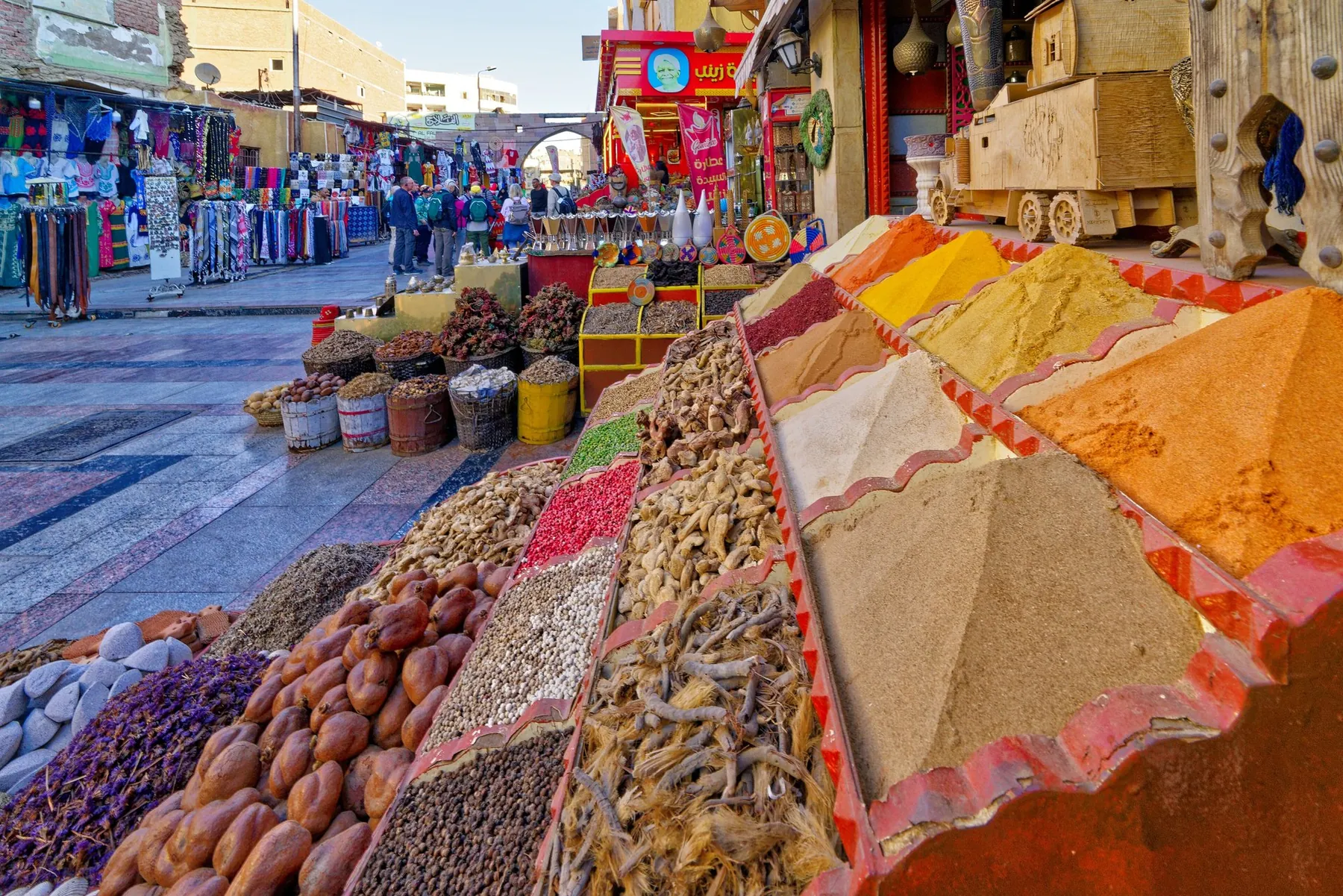
 Photo: Holger Uwe Schmitt, CC BY-SA 4.0
The currency: Egyptian pounds
Egypt uses the Egyptian pound (EGP, written LE or E£ locally, gineih in Arabic), divided into 100 piastres. Notes in everyday use are 1, 5, 10, 20, 50, 100 and 200 pounds; the 10 and 20 now come as polymer notes, though older paper ones are still legal (Wikipedia). There is also a 1-pound coin.
The pound has fallen sharply in recent years, so old prices in guidebooks and forum posts are often meaningless. As of early October 2026, one US dollar bought about EGP 52 (Nile FM, 4 Oct 2026). Check the rate again before you travel, and when a seller quotes a price, make sure you both mean pounds.
What you can bring in
According to the UK Foreign Office (page updated August 2026), you can carry up to EGP 5,000 into or out of Egypt. There is no limit on foreign currency, but amounts over US$10,000 must be declared on arrival.
Visa fees: have US dollars ready
Many nationalities can get a tourist visa on arrival or an e-visa; check your own nationality on the official portal, visa2egypt.gov.eg, which asks you to apply at least seven days before departure and takes card payment. As of October 2026:
- Visa on arrival: US$30, paid in cash at the kiosks before passport control, valid for up to 30 days (FCDO). It went up from US$25 on 1 March 2026.
- Digital visa on arrival: at Cairo airport only, since 1 August 2026, US$36 including a service fee, paid by card (FCDO).
- E-visa: US$30 single entry and US$65 multiple entry since April 2026, according to VisasNews, which also reports a government levy increase from 1 January 2027 whose effect on the final price is not yet clear.
The FCDO notes that you do not need to buy the visa through an agent at the airport. Bring clean, untorn dollar notes in small denominations, so you are not relying on change.
Cards or cash?
You need both. A rough split, based on what we found:
- Cards work at large hotels, many mid-range restaurants, supermarkets and, importantly, antiquities ticket offices. Since 2023 the main sites have been moving to cashless payment: the Ministry of Tourism and Antiquities' list included Luxor Temple, Karnak, Hatshepsut's temple, the Valley of the Kings and the Valley of the Queens in Luxor, and Philae, Kom Ombo, Edfu and Abu Simbel in Aswan (Ahram Online, July 2023). Bring a Visa or Mastercard; American Express and others are often refused.
- Some hotels prefer cards to cash. In this guide, the Hilton Luxor and Luxor Oasis Guest House list card payment only on Booking.com, and the Old Cataract asks for a credit card at check-in. Small guest houses vary: ask how they want to be paid before you arrive.
- Cash is king for taxis, ferries, feluccas, calèches, small cafés, markets and every tip.
ATMs
ATMs are easy to find in central Luxor and Aswan, including several in the main hall of Luxor station. Tips compiled by ATM Fee Saver (updated February 2026):
- Use bank ATMs (National Bank of Egypt, Banque Misr, CIB, QNB and others), ideally attached to a branch. Independent machines in hotels can charge up to about EGP 200 per withdrawal.
- The maximum per withdrawal is typically EGP 2,000 to 8,000 for foreign cards, depending on the machine and the notes it holds.
- When the screen offers to convert the amount to your home currency, decline. Choose to be charged in Egyptian pounds.
- ATMs usually hand out 200-pound notes. Break them early at your hotel or a supermarket: small notes are what you need for tips and boats.
Your own bank may add foreign-transaction fees, so check before you go.
Tipping (baksheesh)
Tipping is part of how many people in tourism are paid, and baksheesh also covers small payments for a service, such as a guard who opens a gate. The amounts below come from a Luxor tour operator's 2026 tipping and balloon guides (Pyramids Land, May 2026), which assumed about EGP 50–52 to the dollar. Treat them as a starting point, not a rule.
| Who | Suggested tip (as of May 2026) | When |
|---|---|---|
| Hotel porter | EGP 50–100 per bag | When the bags arrive |
| Housekeeping | EGP 50–100 per room per day | Daily, left in the room |
| Restaurant | 5–10% in cash if service is already on the bill; round up in simple places | At the end |
| Taxi | Usually none beyond the agreed fare | — |
| Felucca captain | EGP 100–200 per hour of sailing | At the end of the sail |
| Private guide | US$30–50 per day for one or two people | End of the tour |
| Driver | US$15–20 per day | End of the tour |
| Nile cruise crew | US$10–15 per person per night, pooled | Last evening, at reception |
| Toilet attendant | EGP 10–20 | On the way out |
| Site guard who shows you something | EGP 20–50 | After the service |
| Balloon ground crew | EGP 50–100 per person | After landing |
Three practical notes from the same source: keep a separate pocket of 10, 20 and 50-pound notes; avoid US$1 bills, which banks often refuse, so locals cannot change them; and you do not have to pay someone who takes your photo, or "guides" you, without asking first. A polite la, shukran ("no, thank you") is enough.
Haggling in the souqs
In the Luxor and Aswan souqs, prices for spices, scarves, alabaster and souvenirs are rarely fixed. A few habits make it calmer:
- Look before you ask. Check several shops; the first price you hear is an opening offer.
- Agree the quantity and price before anything is weighed or wrapped. In Aswan's spice market, Tabiji (April 2026) describes "free gifts" added to a bag and then charged.
- Name a number and stay friendly. A walk-away, done politely, is part of the game, not an insult.
- Do not start bargaining for something you do not want. Once you agree a price, it is expected that you pay.
Feluccas, motorboats and calèches
These are where most misunderstandings happen, because the deal is spoken, not written.
Feluccas in Aswan and Luxor
As of April 2026, Tabiji put a fair price for a one-hour private felucca sail in Aswan at around EGP 150–250. Before you board, agree:
- The total price for the boat (not per person) and the currency.
- The duration and the route, and whether any stops (a Nubian village, a botanical garden) are included.
- That the price is all-in; tip separately at the end if you are happy.
A common pattern is a low price followed by pressure to buy extras, or a sail cut short. Paying part at the start and the rest on return helps.
Motorboats and the Philae launch
Motorboats along the Corniche and at the Philae landing are also bargained. Tabiji reports opening quotes far above the posted rate at the Philae dock and suggests agreeing a round-trip price for the whole boat and paying on return. The public ferries to the West Bank in Luxor and to Elephantine in Aswan are a different thing: fixed, cheap and paid in small pounds. See getting there.
Calèches (horse carriages)
Calèches wait along the Corniche in Luxor and Aswan, and drivers can be persistent. We have not found a reliable published fare for 2026, so the only safe rule is method: agree the price for the carriage, the route and the time before you climb in, in Egyptian pounds, and say clearly if you want to stop somewhere. If the horse looks unfit or overworked, walk away.
A simple money plan
- Bring a Visa or Mastercard, a backup card, and enough clean US dollars for the visa plus a little spare.
- Withdraw pounds from a bank ATM on arrival and break the big notes the same day.
- Pay hotels and ticket offices by card; keep cash for transport, food stalls and tips.
- Agree every price, in pounds, before the service starts.
For hotel price levels in each city, see where to stay in Luxor and where to stay in Aswan.
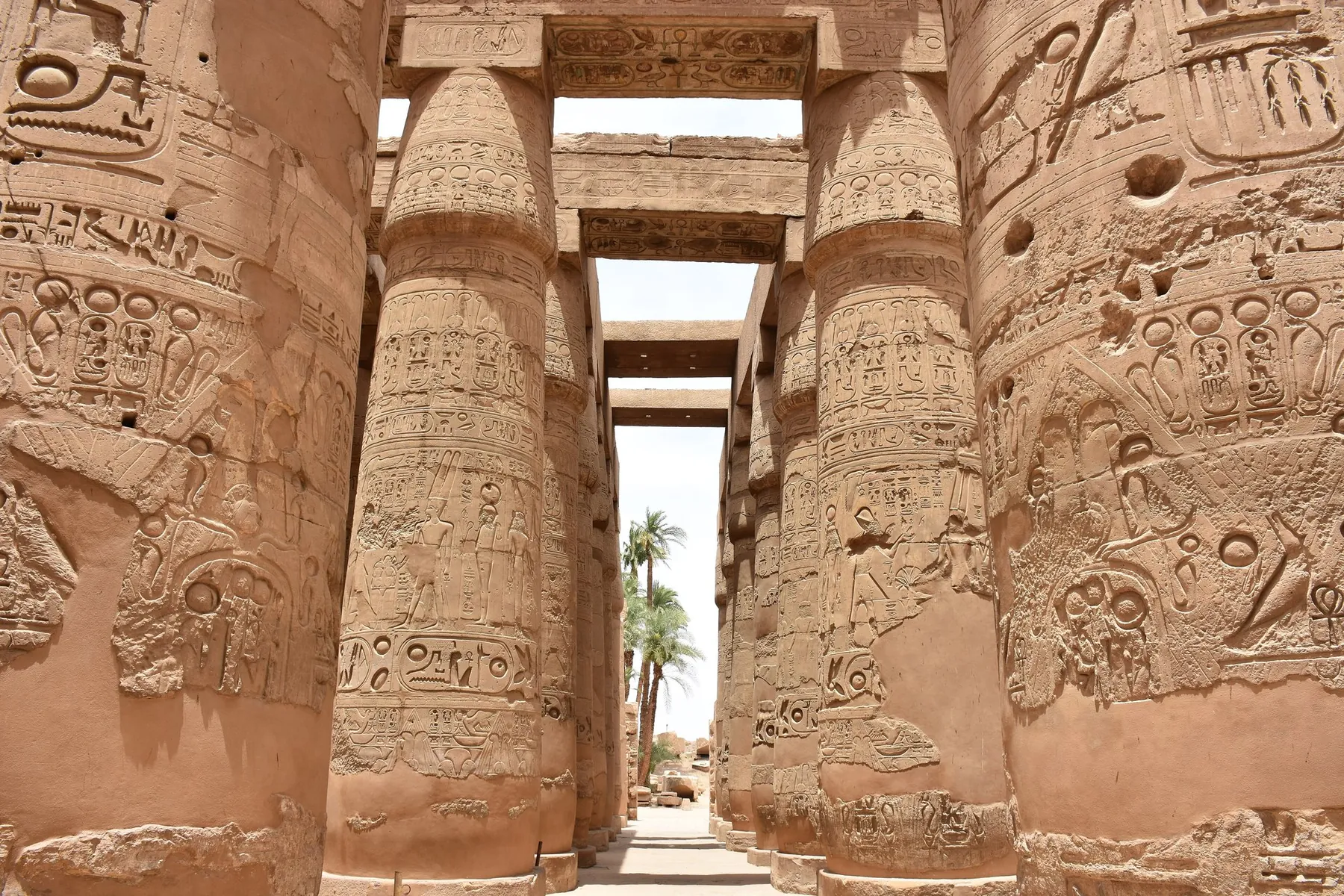 Area photo: MusikAnimal, CC BY-SA 4.0
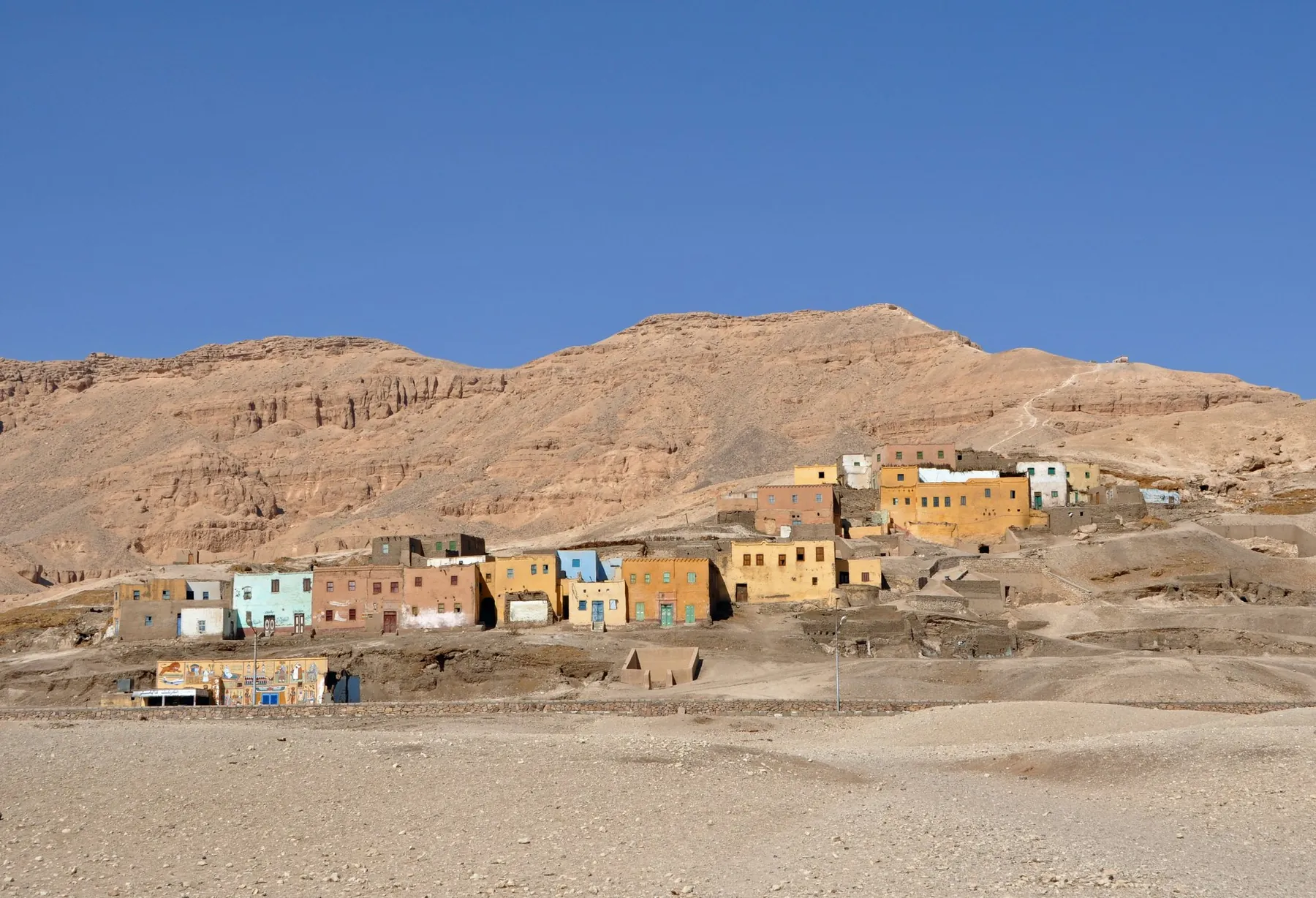 Area photo: Marc Ryckaert (MJJR), CC BY 3.0
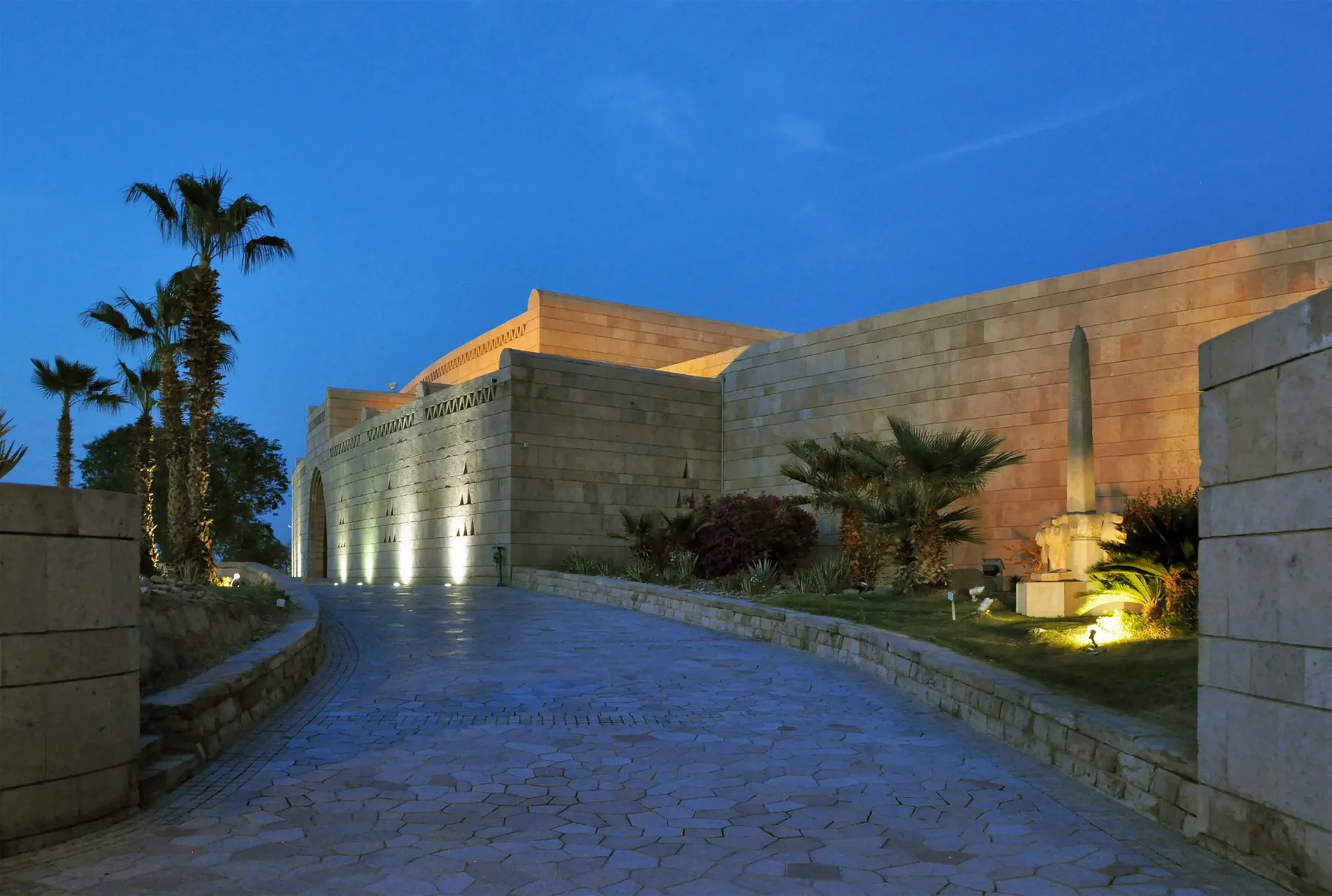 Area photo: Marc Ryckaert, CC BY 3.0
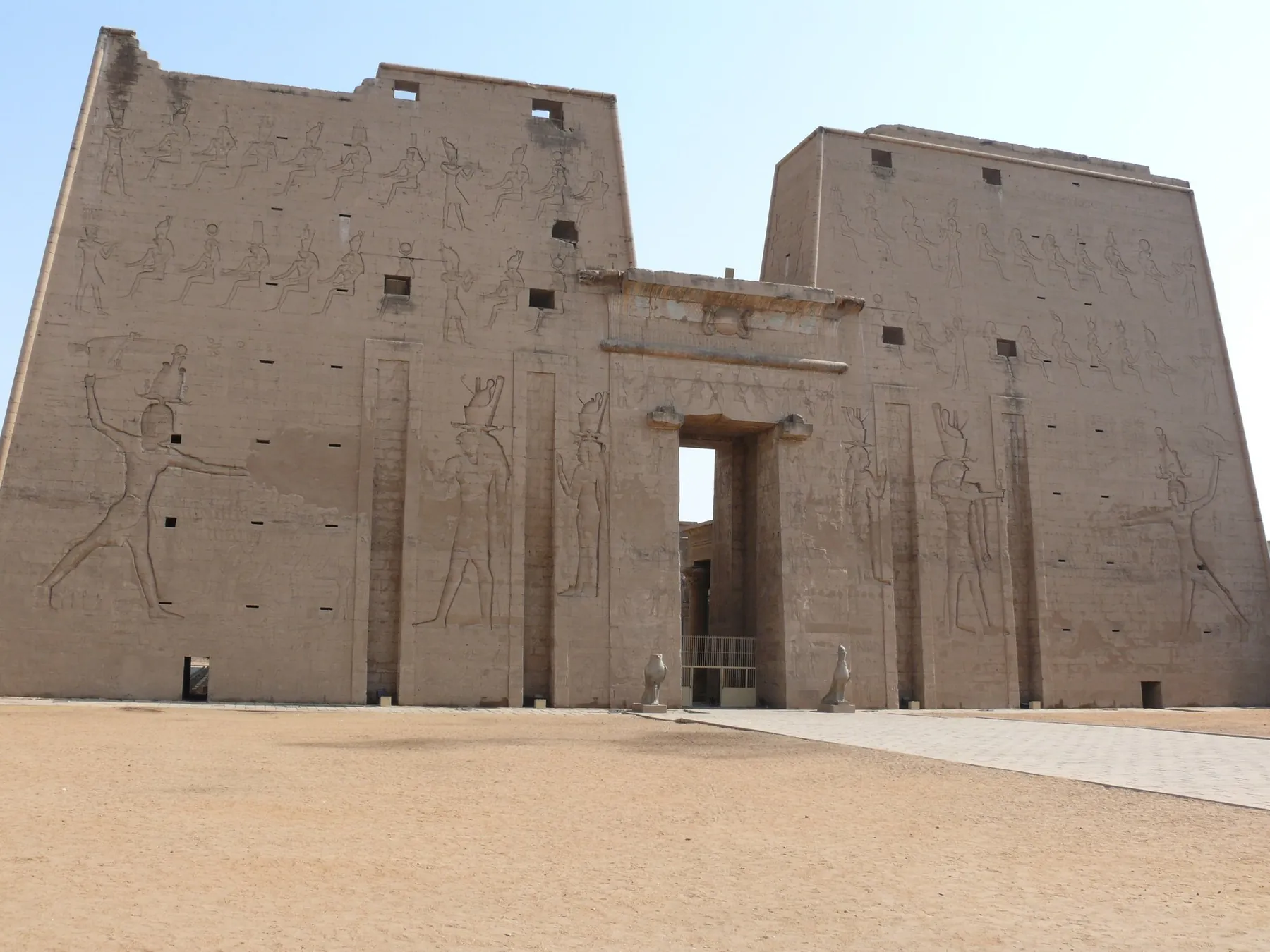 Photo: Ad Meskens, CC BY-SA 3.0
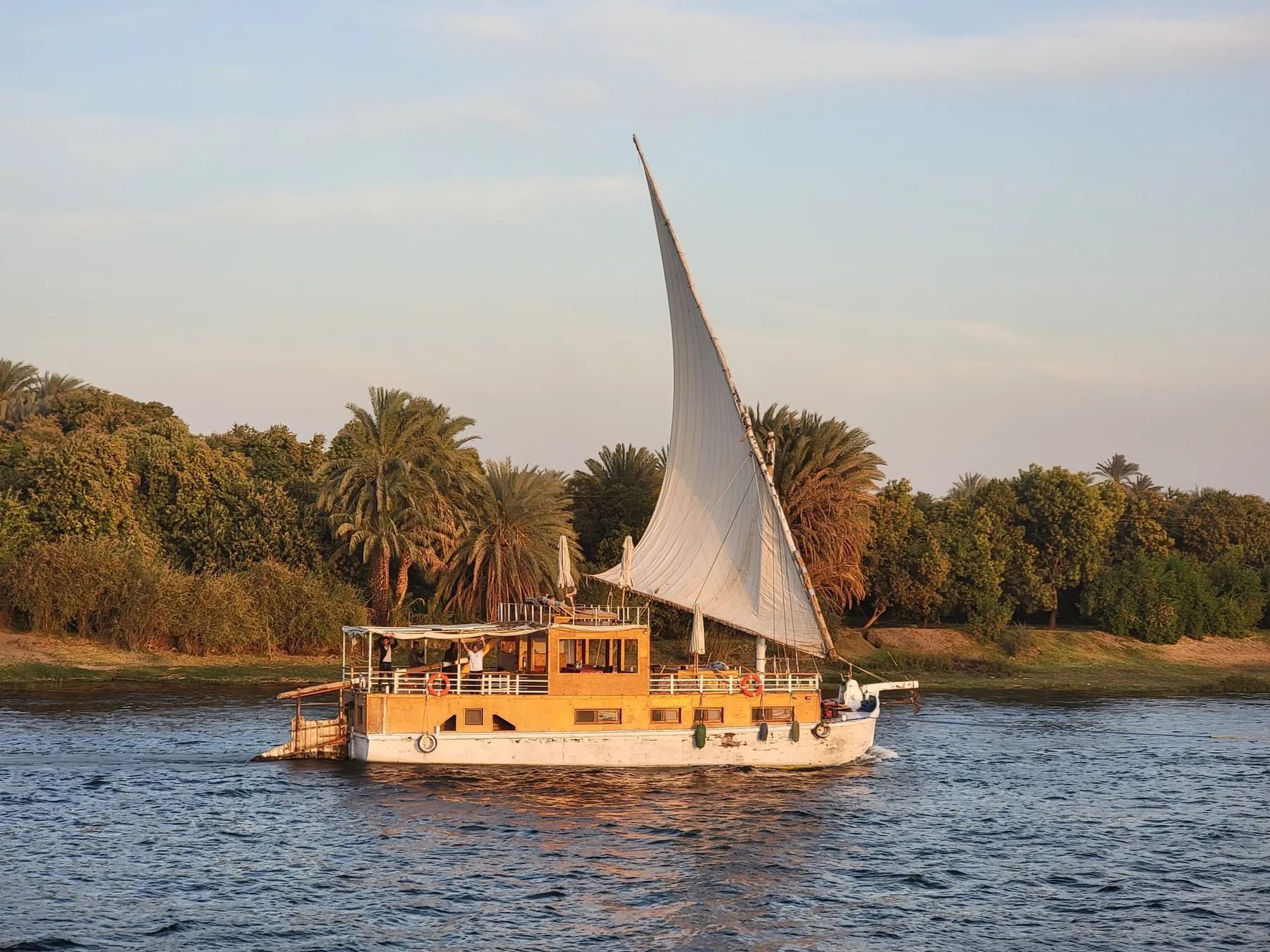 Photo: Votpuske, CC BY-SA 4.0