
 Photo: Ludovic Delot, CC BY 4.0
First, some perspective
Most of what travellers call "scams" in Egypt are not crimes but sales tactics: a price that starts high, a detour to a shop that pays commission, a helper who expects a tip for help you did not ask for. They are annoying, rarely dangerous, and almost all of them depend on one thing: a price that was not agreed in advance. Fix that, and most of the stress disappears.
It also helps to know what is normal, so you do not see a scam where there is none:
- Tipping (baksheesh) is part of the economy. Porters, drivers, guides, cleaners and site guards who genuinely help you expect a small tip. Suggested amounts are in money, tipping and haggling.
- Bargaining is expected in markets and for many rides, but not for fixed-price things such as museum tickets or ride-app fares.
- People will talk to you. Many are just curious or friendly. A polite la, shukran ("no, thank you") and walking on is never rude.
At the pyramids of Giza
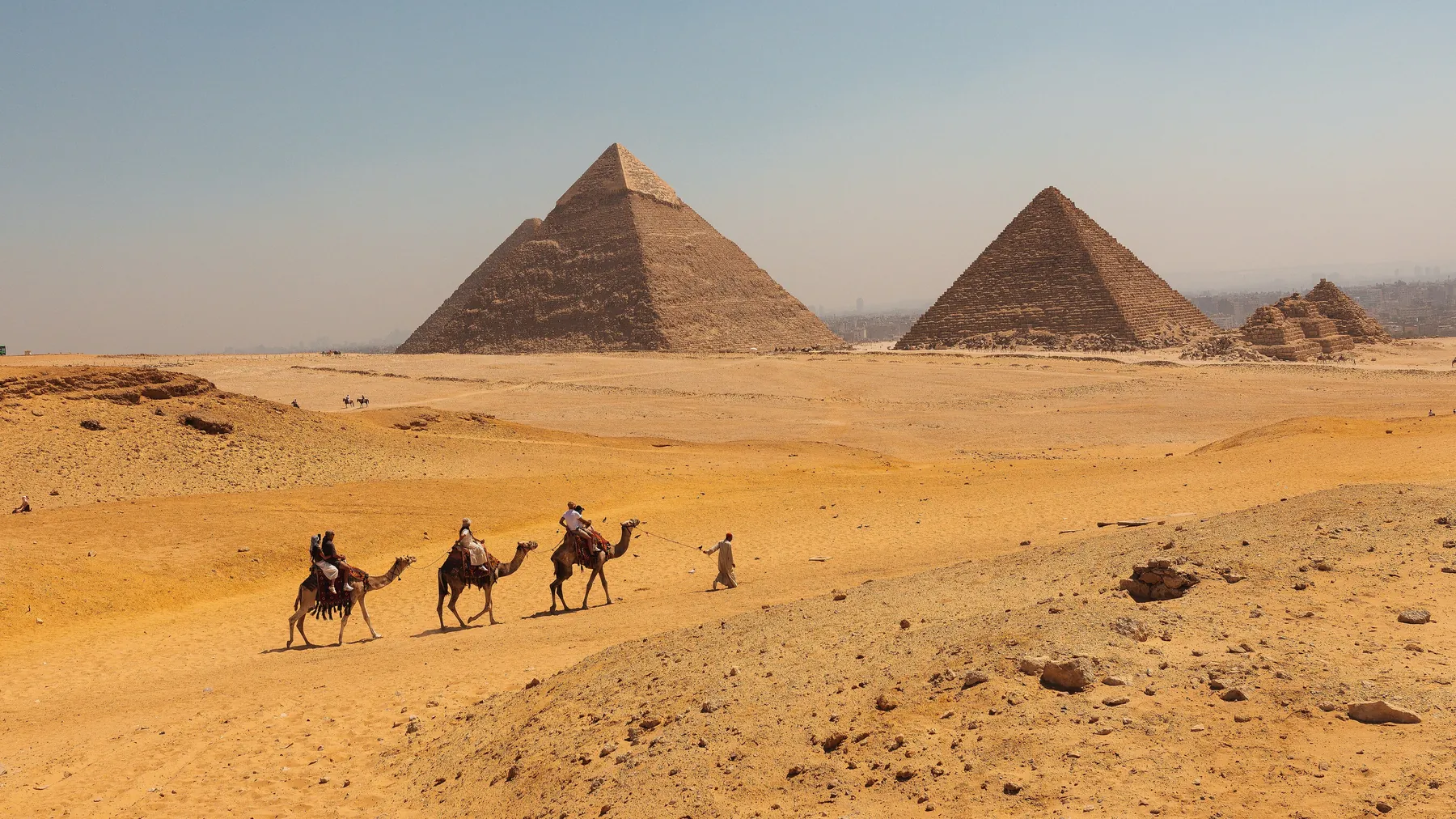
The Giza plateau has changed a lot. Since a reorganisation that began in April 2025, the main entrance has moved from the old gate beside Marriott Mena House to a new gate and visitor centre on the Cairo–Fayoum road, south of the pyramids. Private cars and tour buses no longer drive onto the plateau; electric buses carry visitors between stops, and horse and camel handlers were moved to designated zones (Ahram Online, April 2025). According to Pure Nile Tours, the buses are included in the entry ticket. Full details are in our guide to the pyramids of Giza.
What still happens:
- The camel or horse ride that changes price. A low price is quoted for a short ride, and a much higher one is demanded once you are on the animal and away from the crowd (Tabiji, April 2026). What to do: agree the total price, the route, the length, whether photos are included and where you get off, before you mount. If a handler will not confirm, walk away. Use only licensed operators in the official zones.
- "The entrance is over there." People near the old gate or along the road may tell you the site is closed or that you need them to get in. Buy tickets only at the official ticket office or through official channels.
- Free gifts and photo help. Someone puts a scarf on your head or offers to take your picture, then asks for money. Politely decline anything you did not ask for.
"It's closed today"
A driver or a friendly stranger tells you the museum, mosque or site you want is closed, "for prayer" or "for a ceremony", and offers an alternative, usually a shop (In Your Pocket, July 2026). What to do: check opening hours yourself on official sources, such as the Ministry of Tourism and Antiquities' Egymonuments site, and go and see. For the museum near the pyramids, our Grand Egyptian Museum guide covers tickets and opening hours.
Papyrus, perfume and "government" shops
A driver or guide suggests a quick stop at a "government" papyrus institute, a perfume factory or an alabaster workshop. Shops like these often pay commission to whoever brings customers, which is reflected in the price, and some papyrus sold to visitors is not real papyrus. What to do: say at the start of any tour that you do not want shop stops, or that you will choose them. If you do want papyrus or essential oils, compare several shops and never feel obliged to buy after a "free" demonstration or tea.
This is not the same as an itinerary you booked that clearly lists a workshop visit: then it is part of the deal, and you can still say no to buying.
Taxis and meters
In Cairo, ride apps have made this much easier. What to do:
- Use Uber or Careem where they work: the price is shown before you book. Cairo is well covered; in Luxor and Aswan, plan differently (see getting there).
- In a street taxi, ask for the meter before you set off, or agree the fare in pounds if there is no meter.
- Watch for currency confusion: a fare agreed as "200" becoming 200 dollars or euros at the end. Say "Egyptian pounds" and show the number on your phone.
- At the airport, ignore men in plain clothes offering an "official taxi" inside the terminal (The Traveler, August 2026). More in Cairo airport to your hotel.
- If an app driver asks you to cancel the trip and pay cash, decline.
Fake guides and "officials"
At big sites, men may attach themselves to you, start explaining things and then ask for a fee, sometimes wearing a lanyard to look official. Tabiji also describes men in plain clothes posing as tourist police and asking for a "registration fee". What to know: real tourist police wear uniforms and do not collect fees; licensed guides are booked in advance through an agency or your hotel and can show their licence. If you want a guide on the day, agree the price and the length of the tour first.
Baksheesh at tombs and temples
Inside tombs and temples, a guard may wave you into a corner, point out a carving, or offer to let you take a photo, then hold out a hand. This is common in Upper Egypt and in quieter sites around Cairo, such as Saqqara and Dahshur.
What is normal:
- If a guard opens a gate or shows you something you are glad to see, a small tip is customary; the money guide suggests around EGP 20–50 as of 2026.
- You do not owe anything for help you refused or did not ask for.
- Photography rules vary by site and by tomb. If photos are not allowed, paying a guard to look away is not a loophole: you can be fined and the guard can lose his job. Ask at the ticket office what your ticket covers.
Money changing and change
- Change money at banks, official exchange offices or bank ATMs, not on the street.
- When an ATM or card terminal offers to charge you in your home currency, decline and pay in pounds.
- Count your change before you walk away, especially after paying with a 200-pound note in a busy market.
- Avoid paying with US$1 bills; they are hard for locals to change.
Feluccas, boats and fake booking sites
- Boats: confirm before boarding whether the price is per boat or per person, how long the trip lasts and that the price is all-in. Pay part at the start and the rest at the end.
- Hotel bookings: In Your Pocket warns about fake booking sites taking deposits for rooms that do not exist. Book through a hotel's own site or a well-known platform, and be wary of requests to pay by bank transfer outside the platform.
A calm routine that prevents most problems
- Agree the price, the currency and what is included before any ride, tour or boat starts.
- Carry small notes (10, 20 and 50 pounds) so you never have to ask for change.
- Decline what you did not ask for, with a smile and la, shukran.
- Check opening times yourself.
- Book guides, transfers and day tours through your hotel or a reputable agency.
For planning the city itself, start with where to stay in Cairo and Cairo in 3 days.
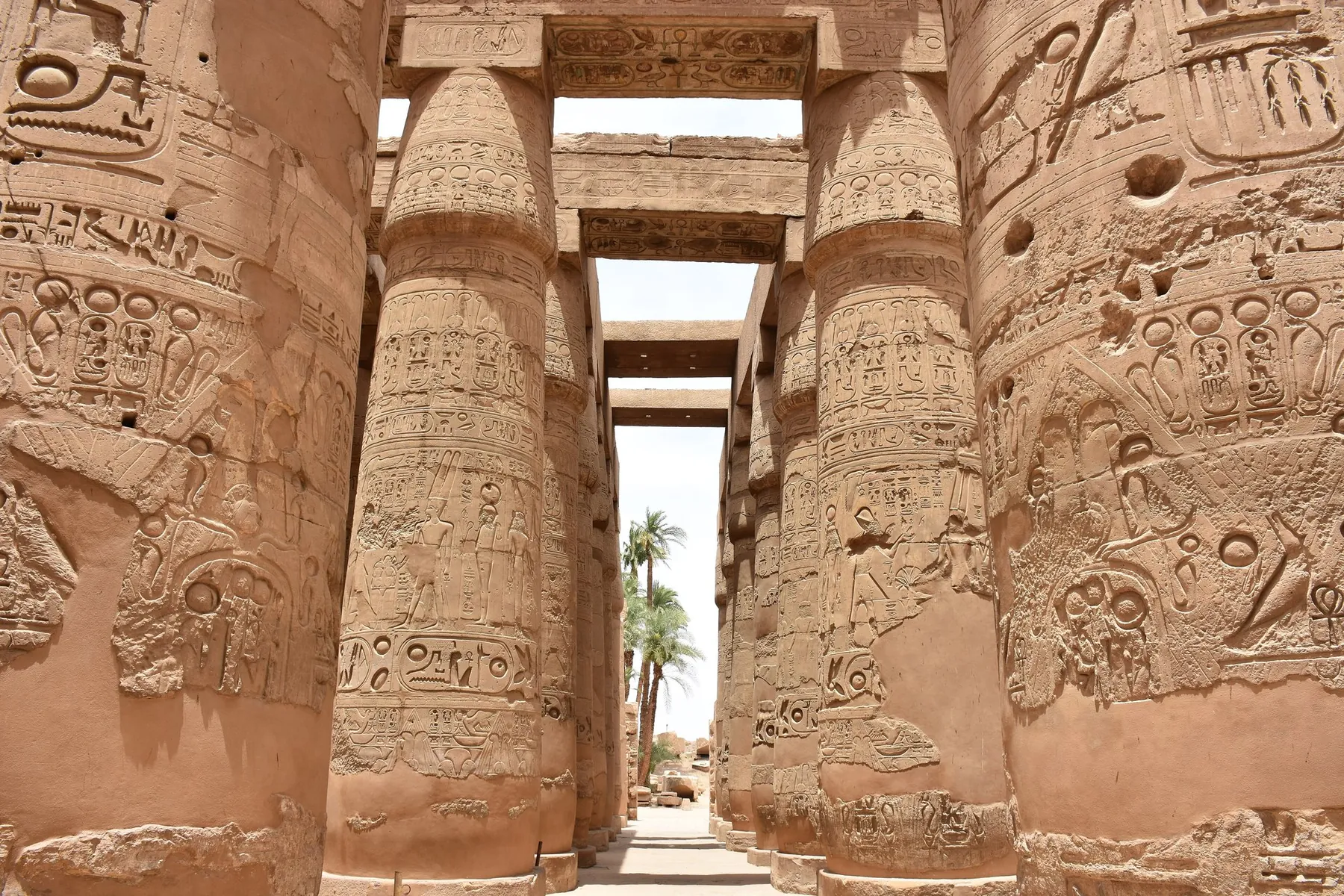 Photo: MusikAnimal, CC BY-SA 4.0
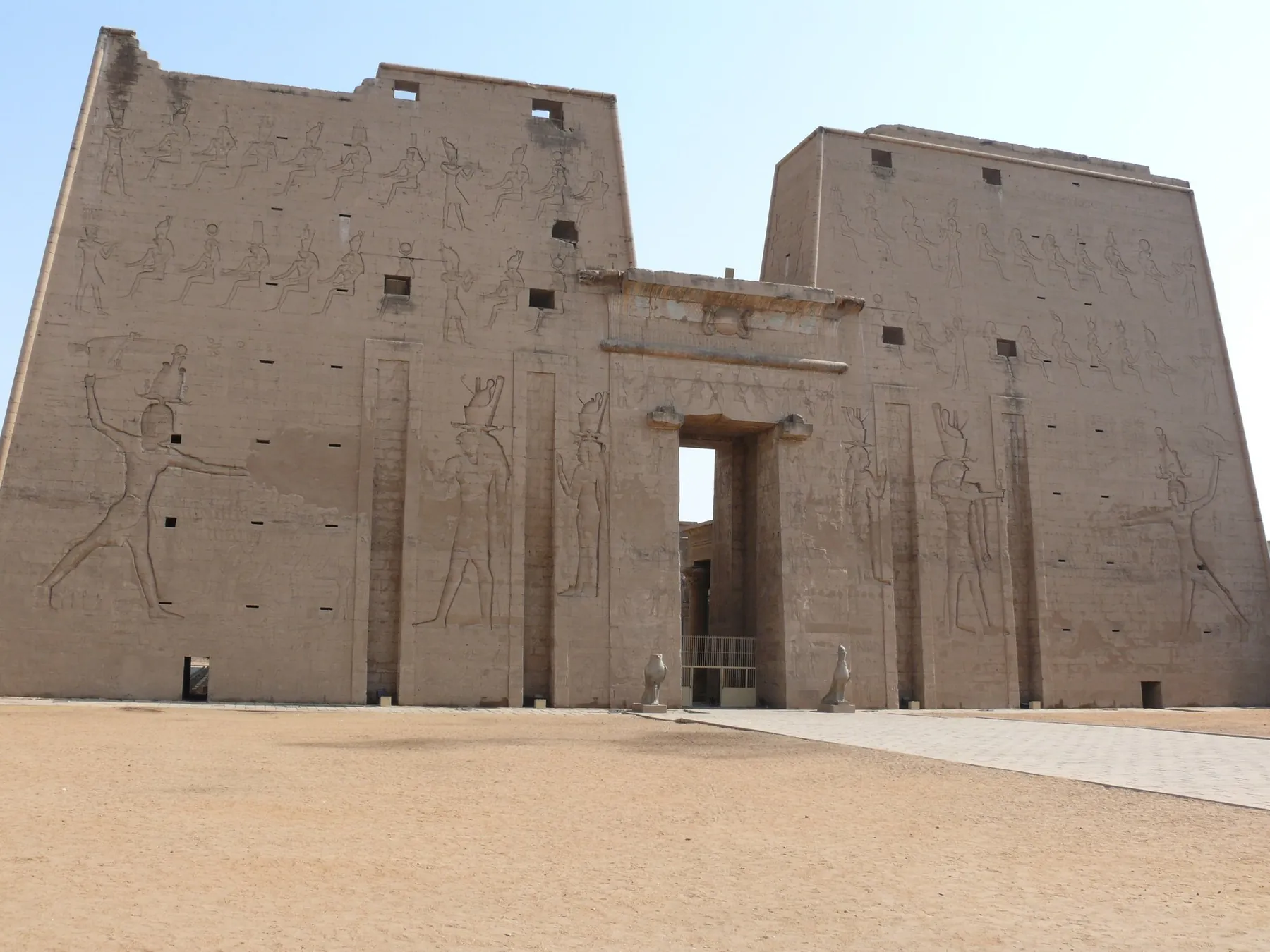 Photo: Ad Meskens, CC BY-SA 3.0
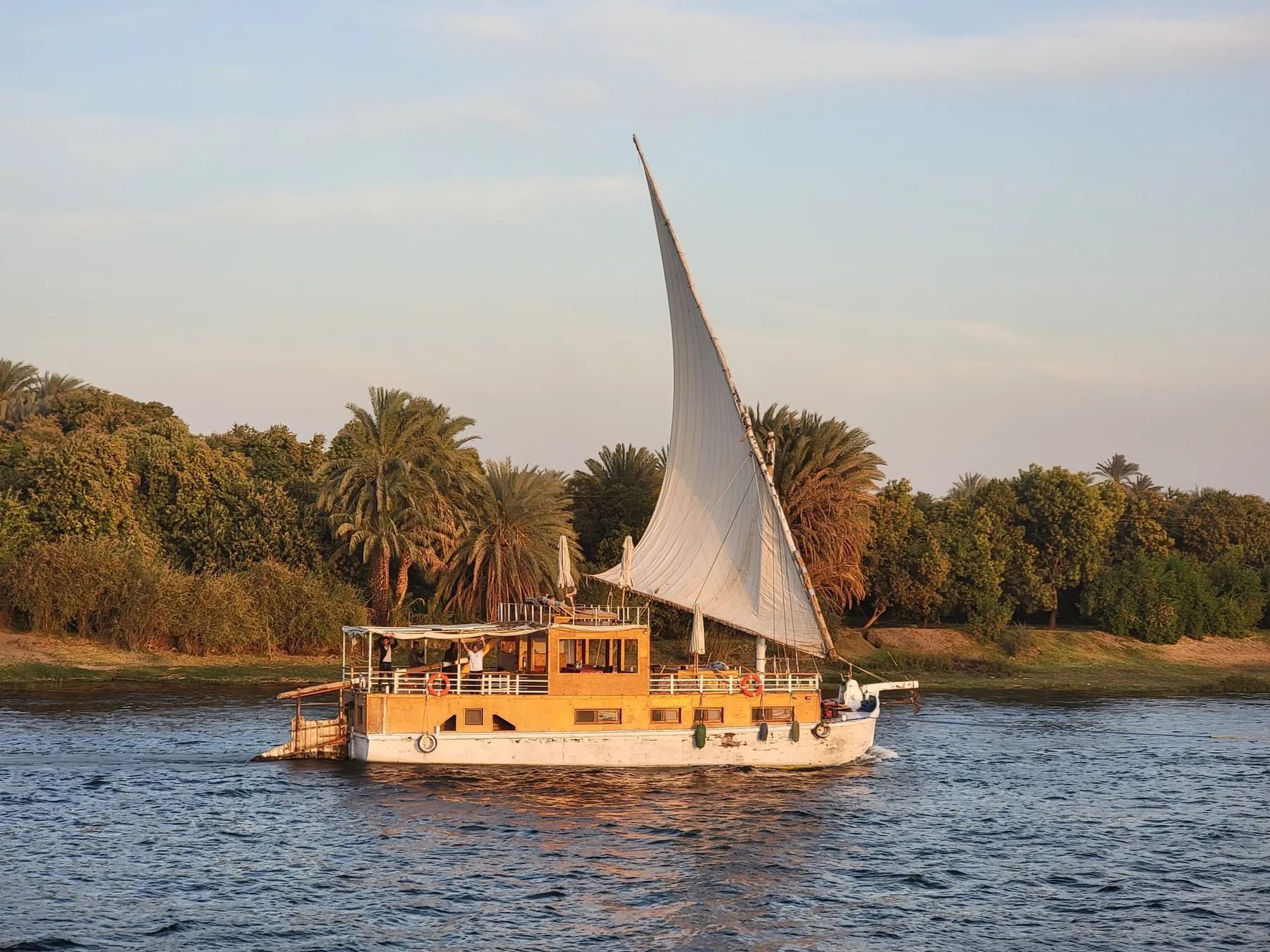 Photo: Votpuske, CC BY-SA 4.0