
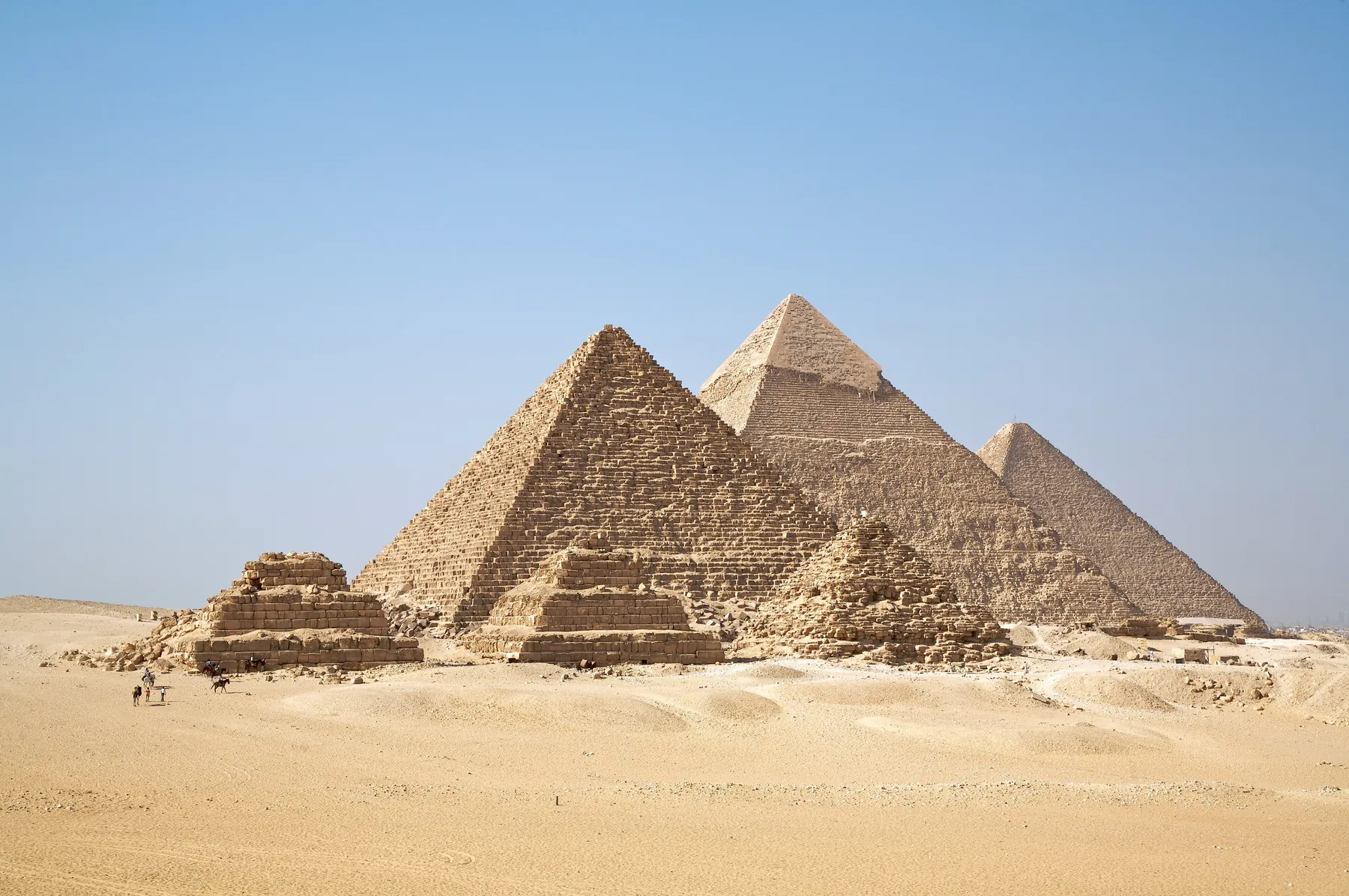
 Photo: Ricardo Liberato, CC BY-SA 2.0
The pyramids of Giza sit on a desert plateau on the western edge of Greater Cairo, about 18 km from Tahrir Square. Since 2025 the way you visit them has changed: there is a new main entrance on the Cairo–Fayoum road, a visitor centre and a fleet of buses that replaces private cars inside the site. This guide puts together the official ticket prices, the new layout and the practical decisions that shape your morning on the plateau.
Prices and rules have shifted several times since the new entrance opened, so treat the figures below as a snapshot and confirm them on the Ministry of Tourism and Antiquities site before you go.
The short answer
- Go early. The site opens around 07:00 and the light, the temperature and the crowds are all better before about 10:00.
- Allow three to four hours for the plateau, the Sphinx and the panorama point; add an hour if you go inside the Great Pyramid.
- Buy the Great Pyramid ticket only if small spaces do not bother you. The interior is a steep, narrow climb to a bare granite chamber; the view from outside is the bigger experience for most people.
- Pair it with the Grand Egyptian Museum, about 2 km away, either the same day or the next. See our guide to the Grand Egyptian Museum.
Tickets
| Ticket (foreign visitors) | Adult | Student | As of |
|---|---|---|---|
| Giza plateau (includes the Sphinx area) | EGP 700 | EGP 350 | October 2026 |
| Inside the Great Pyramid of Khufu | EGP 1,500 | EGP 750 | October 2026 |
| Inside the Pyramid of Menkaure | EGP 280 | EGP 140 | October 2026 |
| Tomb of Queen Meresankh III | EGP 200 | EGP 100 | 2025–2026 reports |
| Sound and light show | USD 20 | USD 11 (children 6–12) | October 2026 |
A few notes on the table. The plateau ticket is the one everyone needs; it does not cover the interiors of the three pyramids, Meresankh III or the Workers' Cemetery, which are sold separately. For the Great Pyramid, the Ministry's monument page still shows EGP 1,000, but the increase to EGP 1,500 announced for January 2025 is the figure in recent 2026 visitor reports, so budget for that. The Pyramid of Khafre's interior is opened and closed in rotation; recent reports describe it as closed to regular visits, so do not plan around it. Children under 6 enter free, and student prices need a valid international student card.
How to pay. The visitor centre has self-service machines that take bank cards, and tickets are also sold on the Ministry's online platform. Many Egyptian sites have moved to card-only ticket counters, so carry a card that works abroad and some cash for everything else. Buy only at the official counters, machines or website: never from someone who approaches you on the road or at the car park.
Opening hours. Official pages are not fully consistent: the plateau page lists 08:00–16:00, while the monument pages and recent guides give 07:00 as the opening time and around 16:00 as the last entry, with the site closing at 17:00 (as of October 2026). During Ramadan it opens later. If you want the first hour, arrive before 07:00 and be ready to wait a few minutes.
The new entrance, the visitor centre and the buses
The old entrance by the Mena House hotel is no longer the main way in. Since April 2025 visitors enter through a new gate on the Cairo–Fayoum road, on the southern side of the plateau. Tell your driver or type "Giza Pyramids Visitor Center" in your ride-hailing app rather than "the pyramids", or you may be dropped at the wrong side.
At the visitor centre you go through security, buy tickets and board the buses. Private cars and tour coaches are no longer allowed to drive around the plateau. Buses run in a loop with stops near the main sights: the panorama point, the Great Pyramid, the Pyramid of Khafre, Menkaure and the Sphinx. The ride is included in your plateau ticket (as of October 2026), and you can get off at one stop and catch the next bus that passes. When the system started, in April 2025, there were complaints about queues and too few vehicles; later reports describe it as working more smoothly, but at peak hours expect to wait.
The buses do not change one thing: the plateau is big and sandy, and you will still walk a fair amount between the stops and the monuments. Wear proper shoes, bring water and a hat, and keep some small notes for toilets and drinks.
How to plan your visit
A sensible order, if you arrive at opening time:
- The Great Pyramid first. If you have an interior ticket, go in early, before the tour groups. The climb through the Grand Gallery takes 20–30 minutes in and out; it is hot and humid, and not for anyone with claustrophobia, heart or knee problems.
- Khafre and Menkaure. Walk around the bases; Menkaure's interior is the cheaper and usually quieter option if you want to go inside one pyramid.
- The panorama point. This rise in the desert is the place where the three main pyramids line up with the small queens' pyramids. The bus stops there. Light is softer in the morning and late afternoon.
- The Sphinx last. You see it from the walkway in front of the Valley Temple of Khafre, which is part of the plateau ticket. It is the most crowded corner of the site in the middle of the day; you cannot touch it or walk around it.
How long to spend. Three to four hours covers the essentials. A full day only makes sense if you add the Grand Egyptian Museum or the tombs on the eastern and western cemeteries.
Best time of day. From October to April, mornings are cool and the light is clean. From May to September, temperatures on the plateau can be very high by noon, so go at opening time and leave before midday. Friday and Saturday mornings tend to be busier with local visitors. See the best time to visit Egypt.
Camels, horses and carriages
The animal rides around the pyramids have long been the most criticised part of a visit, both for the condition of some animals and for pressure selling. Since 2025 the authorities have moved operators to designated zones away from the main paths, and reports from mid-2026 describe a policy to restrict and phase out rides around the plateau. The rules on the ground are still changing.
If you are offered a ride:
- You do not need it. The buses and your own feet get you everywhere you need to go.
- Look at the animal. Visible wounds, ribs or signs of exhaustion are reasons to walk away.
- Agree the full price first, for the whole ride and for everyone, and pay at the end. A common trick is a low price to get on and a much higher price to get off.
- Be firm and polite. A simple "no, thank you" and walking on is usually enough. Our guide to common scams in Egypt covers the usual patterns.
The sound and light show
The show takes place in the evening in front of the Sphinx, with the pyramids lit up behind. Tickets cost USD 20 for adults and USD 11 for children aged 6–12 on the operator's website (as of October 2026). The script is old-fashioned and the main appeal is seeing the plateau at night. Seats face the Sphinx from the Nazlet el-Samman side, so check where to meet when you book; times change with the season and with the language of each performance.
Staying in the Pyramids area or in central Cairo
The pyramids area (Nazlet el-Samman and Al Haram) is the obvious base if Giza and the Grand Egyptian Museum are your priority. You can be at the gate at opening time without a long drive, and many small hotels have roof terraces that look at the pyramids. The trade-off is that the area is noisy, dusty and far from the rest of the city: Downtown, Islamic Cairo and the Nile are usually 45 minutes to over an hour away by car, depending on traffic.
- Stay in the Pyramids area for one or two nights if you want sunrise or sunset views and an easy start. Hotels in this guide range from the historic Marriott Mena House and the Steigenberger Pyramids to small guest houses such as Tiye Pyramids and Life Pyramids Inn.
- Stay in central Cairo (Downtown, Zamalek or Garden City) if you want to explore the rest of the city and see Giza as a half-day trip. Leave early to beat traffic.
Many travellers split their stay: one or two nights by the pyramids, then the rest in the centre. Our where to stay in Cairo page compares the areas, and Cairo in 3 days shows how Giza fits into a short stay.
Getting there
- Ride-hailing (Uber, Careem, inDrive) is the simplest option from central Cairo. Set the destination to the visitor centre. Drivers are not allowed to take you onto the plateau, and they should not ask you for any entry fee.
- A driver for the day makes sense if you combine Giza with the Grand Egyptian Museum or with Saqqara and Dahshur.
- Metro: there is no metro station at the pyramids yet. Line 2 to Giza station, followed by a taxi, is possible but rarely worth the effort.
Before you go
- Carry your passport or a copy; student cards must be valid and international.
- Bring a card for tickets and small cash for toilets, water and tips.
- Drones are not allowed without a permit.
- Ignore anyone who says the site is closed, that you need a guide to enter or that your ticket is invalid.
- Check the official site for prices the week you travel: changes are usually announced with little notice.
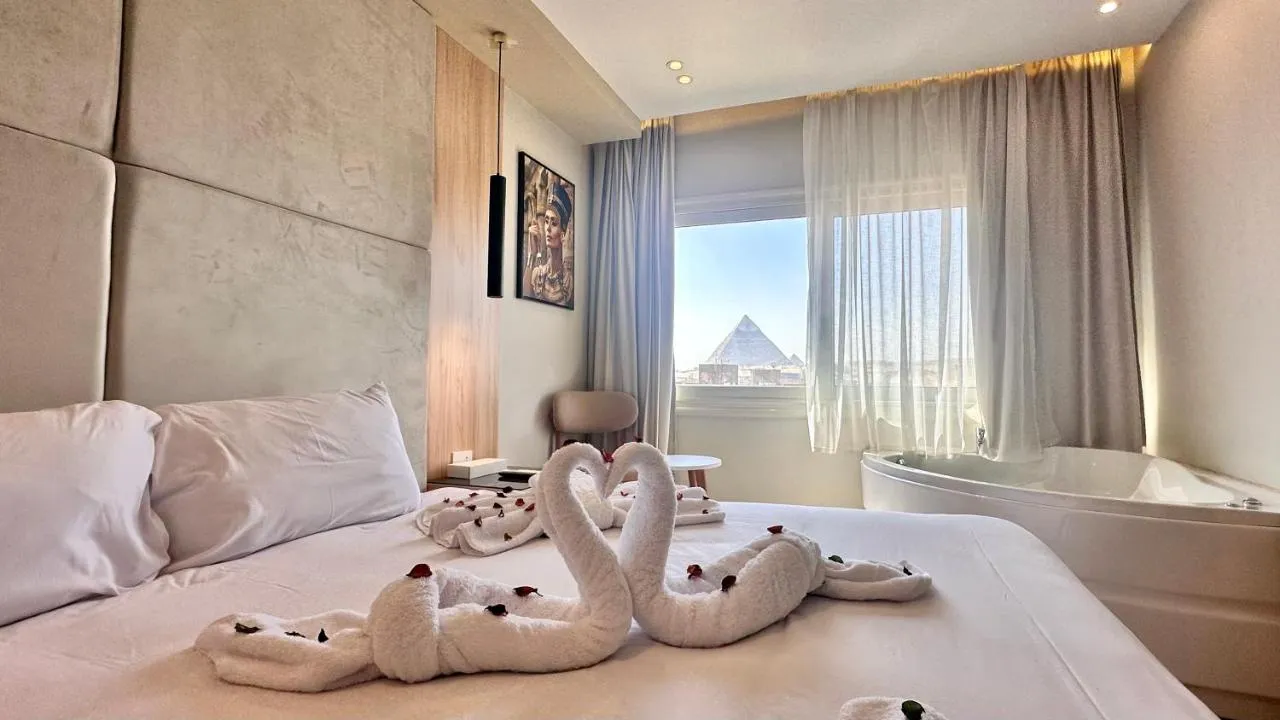 Photo: Booking.com
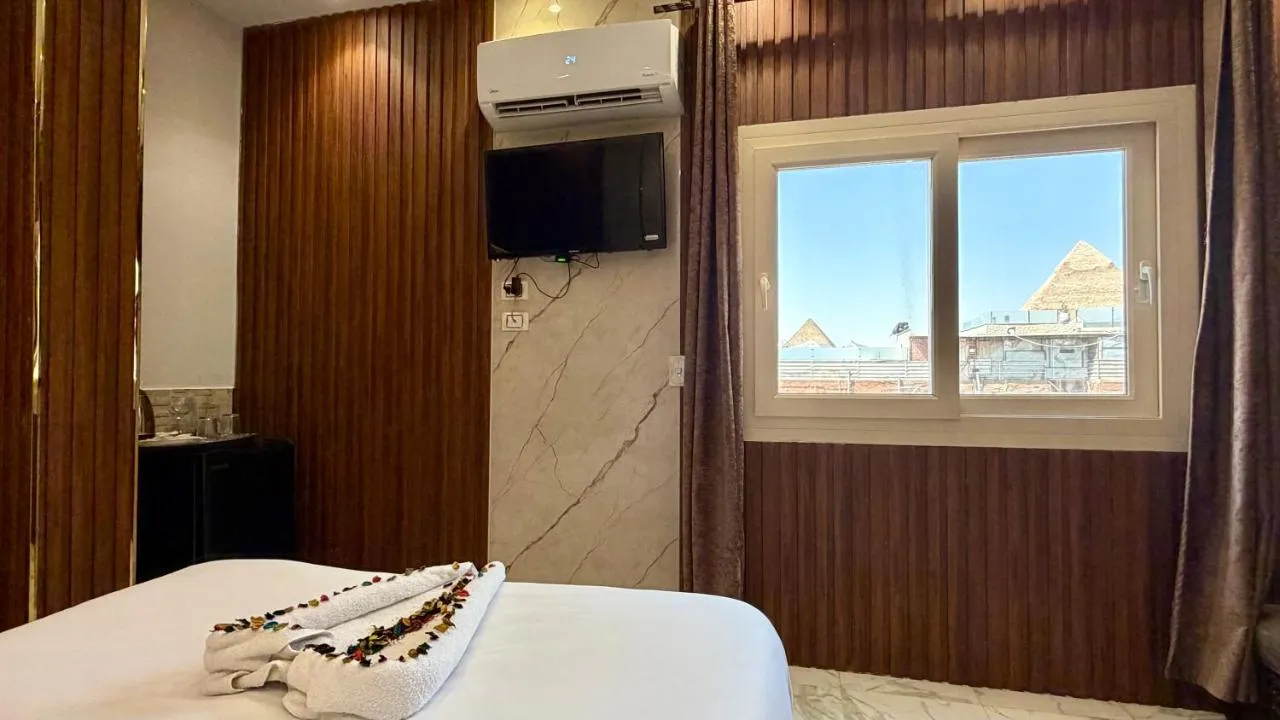 Photo: Booking.com
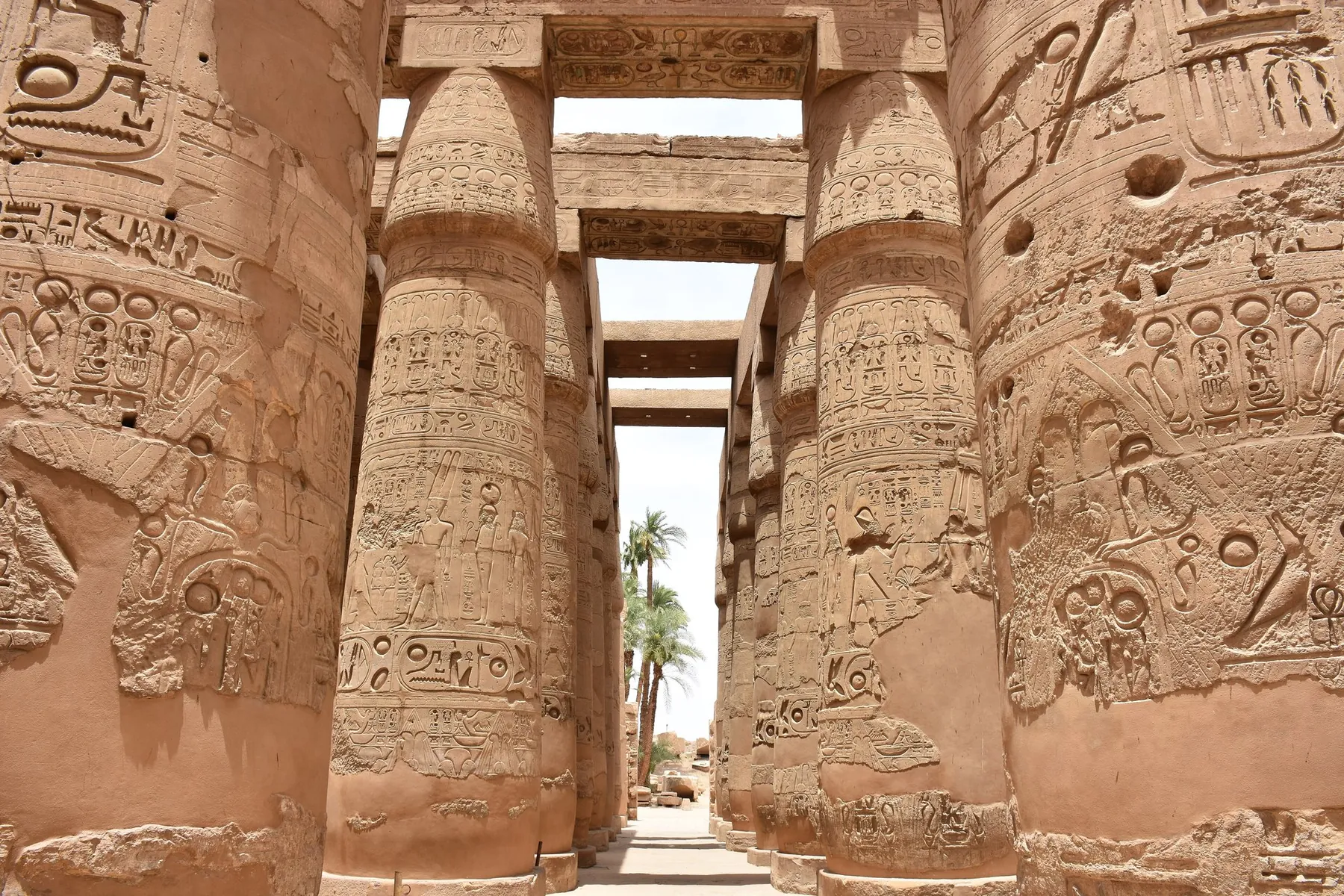 Photo: MusikAnimal, CC BY-SA 4.0
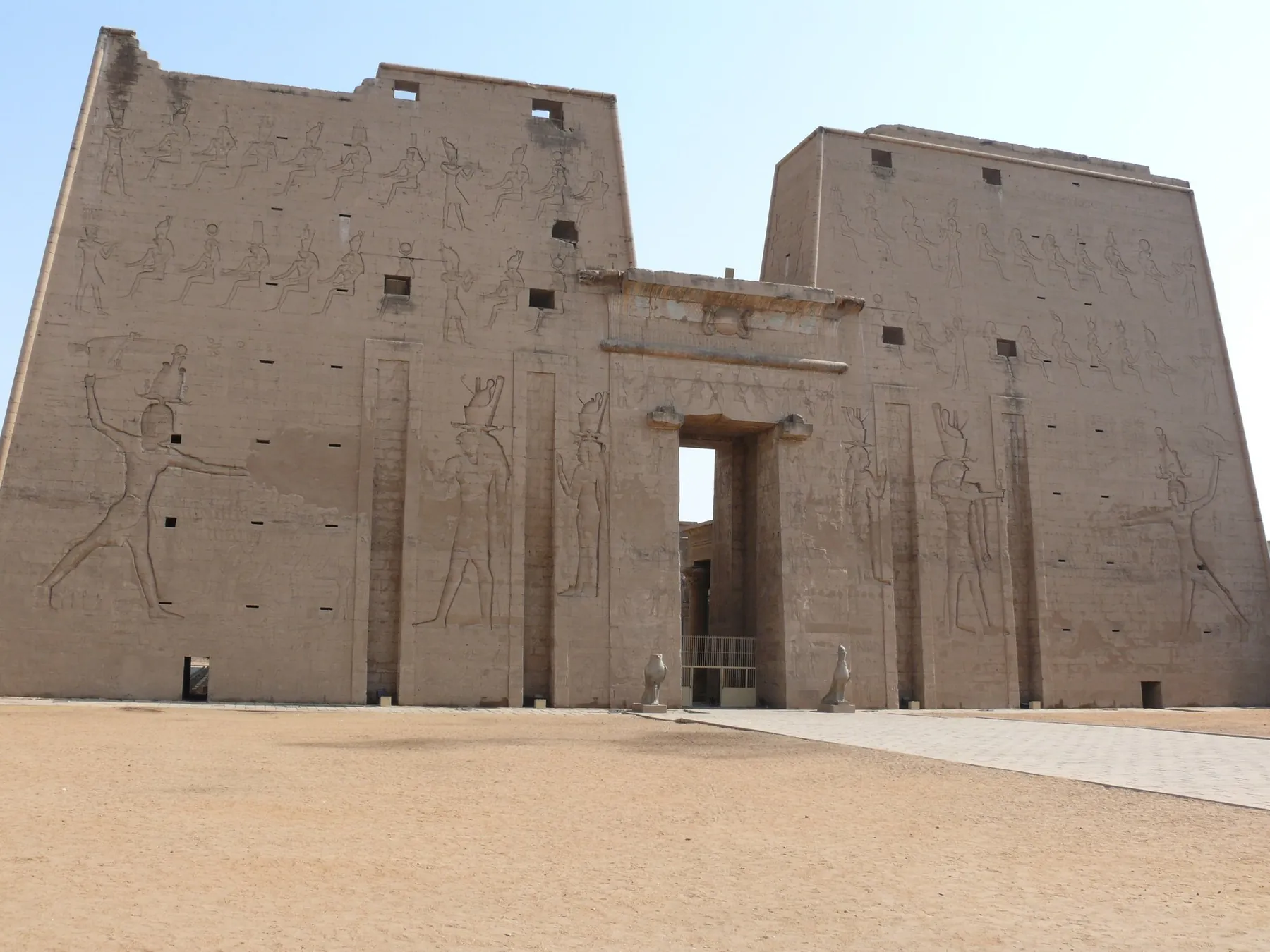 Photo: Ad Meskens, CC BY-SA 3.0
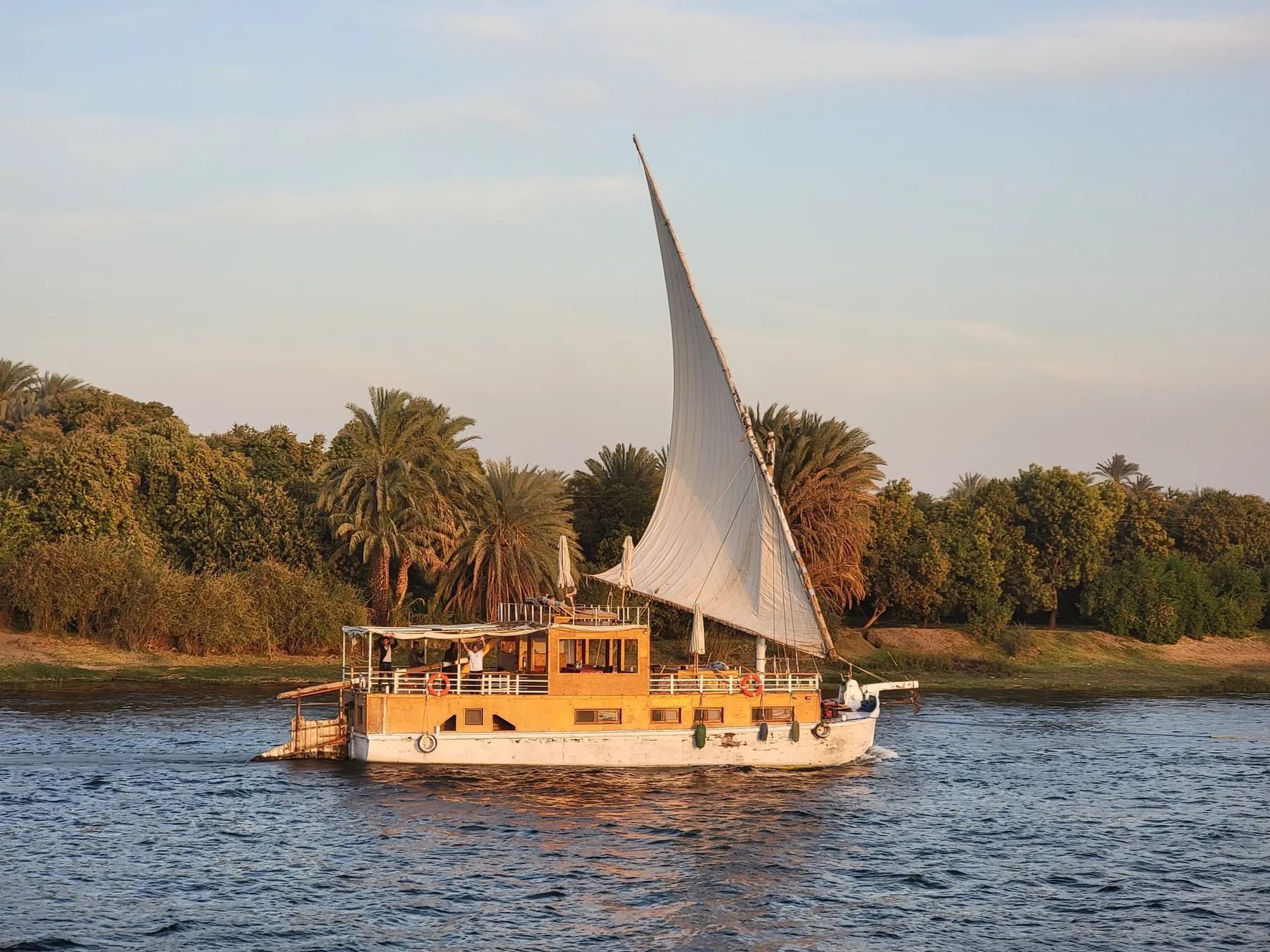 Photo: Votpuske, CC BY-SA 4.0