
 Photo: Frank Schulenburg, CC BY-SA 3.0
How the three days work
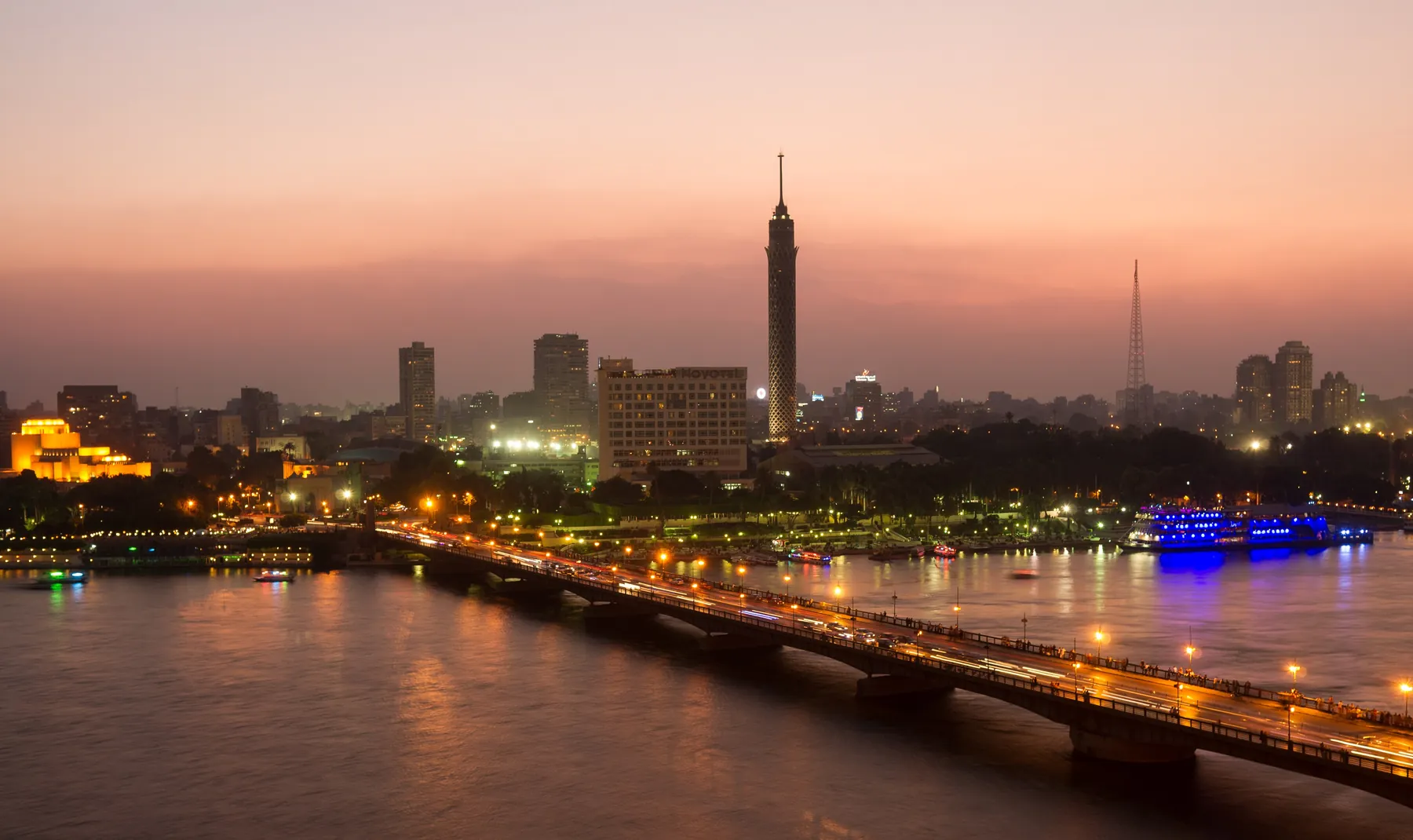
Cairo is a vast, spread-out city, and its main sights sit in three clusters that are far apart by road: the pyramids and the Grand Egyptian Museum on the western edge, in Giza; Islamic Cairo and the Citadel on the eastern side of the old city; and Downtown, Tahrir and Coptic Cairo along the Nile in between. This plan gives each cluster its own day, so you cross the city once a day at most.
The rule that shapes every day: one area per day, and move outside the rush hours. Lonely Planet's guide to getting around Cairo (updated December 2025) singles out traffic as the main frustration for visitors and suggests avoiding roughly 8:00 to 9:00 and 18:00 to 19:00 for long rides.
Before you go: tickets in this plan
Prices for foreign adults, from the official pages of the Ministry of Tourism and Antiquities unless stated:
| Site | Ticket (EGP) | Source, date |
|---|---|---|
| Cairo Citadel | 550 | Ministry, October 2026 |
| Al-Muizz Street (combined ticket) | 220 | Ministry, October 2026 |
| Egyptian Museum, Tahrir | 550 | Ministry, October 2026 |
| Coptic Museum | 280 | Ministry, October 2026 |
| Grand Egyptian Museum, galleries without a guide | 1,450 | Khaleej Times, November 2025 |
Students pay half at the ministry sites with a valid card. The pyramids have several separate tickets (the plateau, the inside of the Great Pyramid and other extras); they are explained in our guide to the pyramids of Giza, and the museum's ticket types and hours in the Grand Egyptian Museum guide. Prices change, sometimes more than once a year, so check the official pages before you go. Bring a card that works abroad and some cash in small notes for taxis, tips and snacks.
Day 1: the pyramids and the Grand Egyptian Museum
Morning: the Giza plateau. Be at the gate when it opens. The early hours are cooler and the light is softer, and the coach groups tend to arrive later in the morning. A loop of the plateau, with the Great Pyramid, the pyramids of Khafre and Menkaure, the panoramic viewpoint and the Sphinx, takes three to four hours on foot. If you want to go inside a pyramid, buy that ticket at the same time as the entry ticket.
Lunch: near the plateau. Eat in Giza instead of crossing the city in the midday traffic.
Afternoon: the Grand Egyptian Museum. The museum stands a short drive from the pyramids, close enough to pair them on the same day. Khaleej Times suggested allowing up to four hours when it opened in November 2025, and reported later closing times on Wednesdays and Saturdays (galleries until 21:00, as of November 2025). If your trip includes either of those days, put this day there: you get a long afternoon in the galleries without rushing. The Tutankhamun galleries and the Grand Staircase are the parts most people plan around.
If you have more energy: the step pyramid at Saqqara and the pyramids of Dahshur are a half day south of Giza. They do not fit in three days without dropping something; see Saqqara and Dahshur if you are staying longer.
Day 2: Islamic Cairo, the Citadel and Al-Azhar Park
Morning: the Citadel. Start on the hill, at the Citadel of Saladin, which opens at 8:00 (as of October 2026). Inside are the Mosque of Muhammad Ali, the most visible building on Cairo's skyline, the older Mamluk mosque of al-Nasir Muhammad, the Gawhara Palace and the Military and Police museums. On a clear morning the terraces look across the old city. Allow about two hours.
Late morning: Sultan Hassan and Al-Rifai. At the foot of the Citadel, the Mosque-Madrasa of Sultan Hassan (built 1356–1363) and the later Al-Rifai Mosque face each other across a narrow street. One ticket covers both.
Afternoon: Al-Muizz Street and Khan el-Khalili. Take a taxi or ride-hailing car to Bab Zuweila, the southern gate of the Fatimid city, and walk north along Al-Muizz Street through Al-Ghuri's complex, the bazaar of Khan el-Khalili and the Mamluk complexes of Qalawun and Barquq. The combined Al-Muizz ticket (EGP 220, as of October 2026) covers the main monuments on the street, and the sites close at 17:00, so keep the inside visits for the early afternoon. The detail, with a walking route, is in our guide to Islamic Cairo and Khan el-Khalili.
Sunset: Al-Azhar Park. Finish in Al-Azhar Park, a 30-hectare garden opened in 2005 on what had been a rubbish tip, a short taxi ride from the bazaar. The paths run along a restored stretch of the 12th-century Ayyubid city wall, and the higher terraces look over the minarets of the old city towards the Citadel. Pay the entry fee at the gate.
Dress for this day. You will enter several mosques: shoulders and knees covered, and a scarf for women's hair. Shoes come off inside the prayer halls.
Day 3: Coptic Cairo, the Egyptian Museum and a felucca
Morning: Coptic Cairo. Take the metro on Line 1 to Mar Girgis station, which sits right next to the old Roman fortress of Babylon. Within a few hundred metres are the Hanging Church, the Church of Saints Sergius and Bacchus, the Ben Ezra Synagogue and the Coptic Museum (EGP 280, as of October 2026), which holds the most important collection of Coptic art in the country. Two to three hours is enough.
Afternoon: the Egyptian Museum on Tahrir Square. Ride Line 1 back north to Sadat station, under Tahrir Square. The old museum opens from 9:00 to 17:00, with the last ticket at 16:00 (as of October 2026). Many of the Tutankhamun pieces have moved to the Grand Egyptian Museum, but the building still holds thousands of objects from every period. Two hours covers the highlights; an audio guide is sold at the entrance.
Sunset: a felucca on the Nile. Feluccas, the traditional sailing boats, leave from landings along the Corniche in Garden City and by the bridges to Zamalek. A one-hour sail at sunset is the usual choice. Agree the price per boat, the length of the sail and whether it is per hour before you board; the captain expects a tip at the end. Our article on money, tipping and haggling has guidance on amounts.
Getting around
| Option | Good for | Things to know |
|---|---|---|
| Metro | Coptic Cairo, Tahrir, avoiding traffic | EGP 10 for up to 9 stations, EGP 12 for up to 16 (as of March 2026). Each train has carriages reserved for women. |
| Uber and Careem | Most trips across the city | The fare is fixed in the app, so there is nothing to negotiate. Careem accepts cash. |
| Street taxi | Short hops | Meters are rarely used: agree the fare before you get in. |
| Car with driver | Day 1, or Saqqara and Dahshur | Agree the hours and every stop in advance. |
The metro fares come from Egypt Independent's report of the March 2026 increase. The metro is fast and cheap, but crowded at rush hour. Lonely Planet reports quick Uber pick-ups in central areas such as Zamalek. The Giza side is the part least well served by the metro, so for Day 1 a ride-hailing car or a driver is simpler.
If you are arriving by air, read Cairo airport to your hotel first, and keep common scams in Egypt in mind around the pyramids and the bazaar.
Where to base yourself
For this plan, two bases work well, and many travellers split their nights between them.
Giza, near the pyramids, if Day 1 is your priority, or if you want the pyramids at first light without a long drive. The area of Nazlet el-Samman is close to the plateau gate and to the museum. Marriott Mena House and Steigenberger Pyramids are two of the hotels in this area covered in this guide, alongside smaller guest houses with pyramid views. The drawback: Days 2 and 3 start with an hour or more in traffic.
Central Cairo by the Nile, for Days 2 and 3. Downtown, near Tahrir, is closest to the Egyptian Museum and the metro, for example around Steigenberger Tahrir. Zamalek, on Gezira island, is quieter and greener, with Cairo Marriott Zamalek and Sofitel Gezirah. Garden City and the Nile Corniche, with Four Seasons Nile Plaza and Kempinski Nile, sit between Downtown and Coptic Cairo, with the felucca landings close by.
A simple way to split it: one night in Giza for Day 1, then two nights central. All the areas are compared in where to stay in Cairo.
How Cairo fits with Luxor and Aswan
Most trips start and end in Cairo, because that is where the international flights land. A common pattern is two or three days in Cairo, then south to Luxor and Aswan, either flying or on the overnight sleeper train, and back to Cairo for the flight home. Our guide to getting from Cairo to Luxor compares the options.
Two tips for the order. If you have an evening flight home, put the Grand Egyptian Museum or Coptic Cairo on the last day, since both fit into a morning. And if you arrive late at night, start with Day 3, the easiest day, and keep the pyramids for when you have slept. Once you are south, read where to stay in Luxor and where to stay in Aswan, and Luxor or Aswan? if you are deciding how to divide your time. Visa rules are in the Egypt visa guide.
If you only have two days
Keep Day 1 as it is. On Day 2, see the Citadel in the morning, walk Al-Muizz Street and Khan el-Khalili in the afternoon, and end with the felucca instead of Al-Azhar Park. The Egyptian Museum and Coptic Cairo are the parts to drop, since the Grand Egyptian Museum already covers the pharaonic highlights.
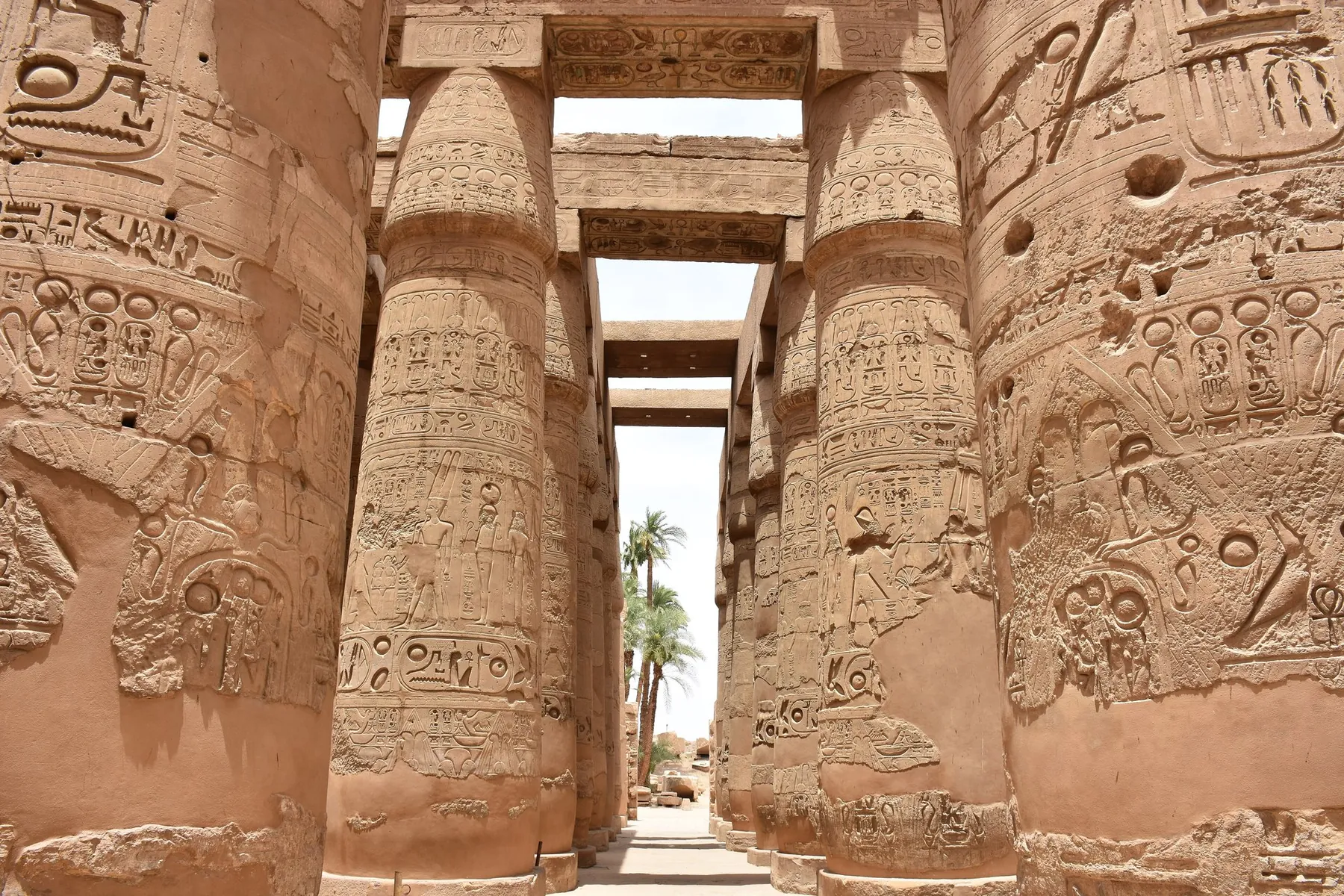 Photo: MusikAnimal, CC BY-SA 4.0
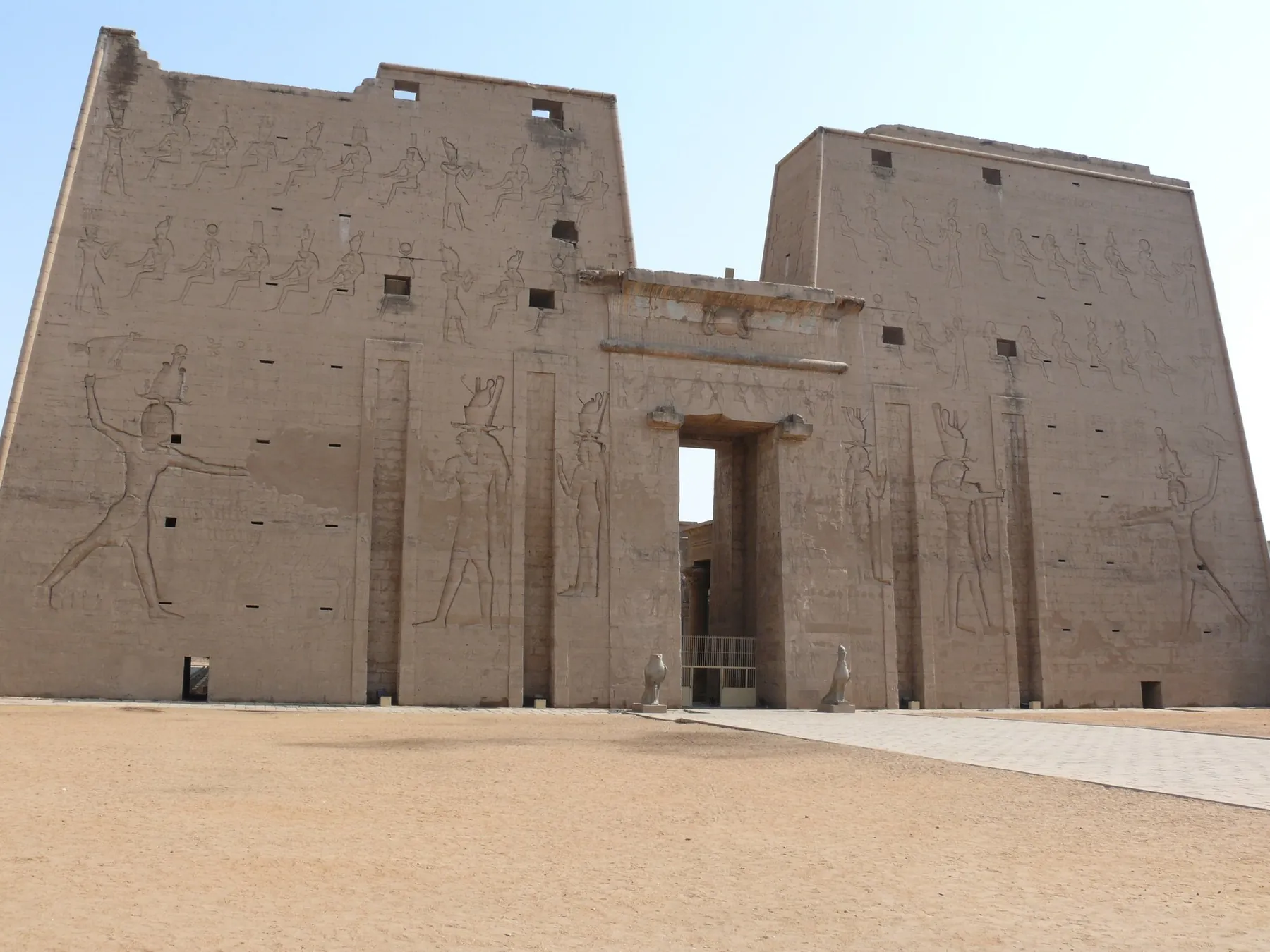 Photo: Ad Meskens, CC BY-SA 3.0
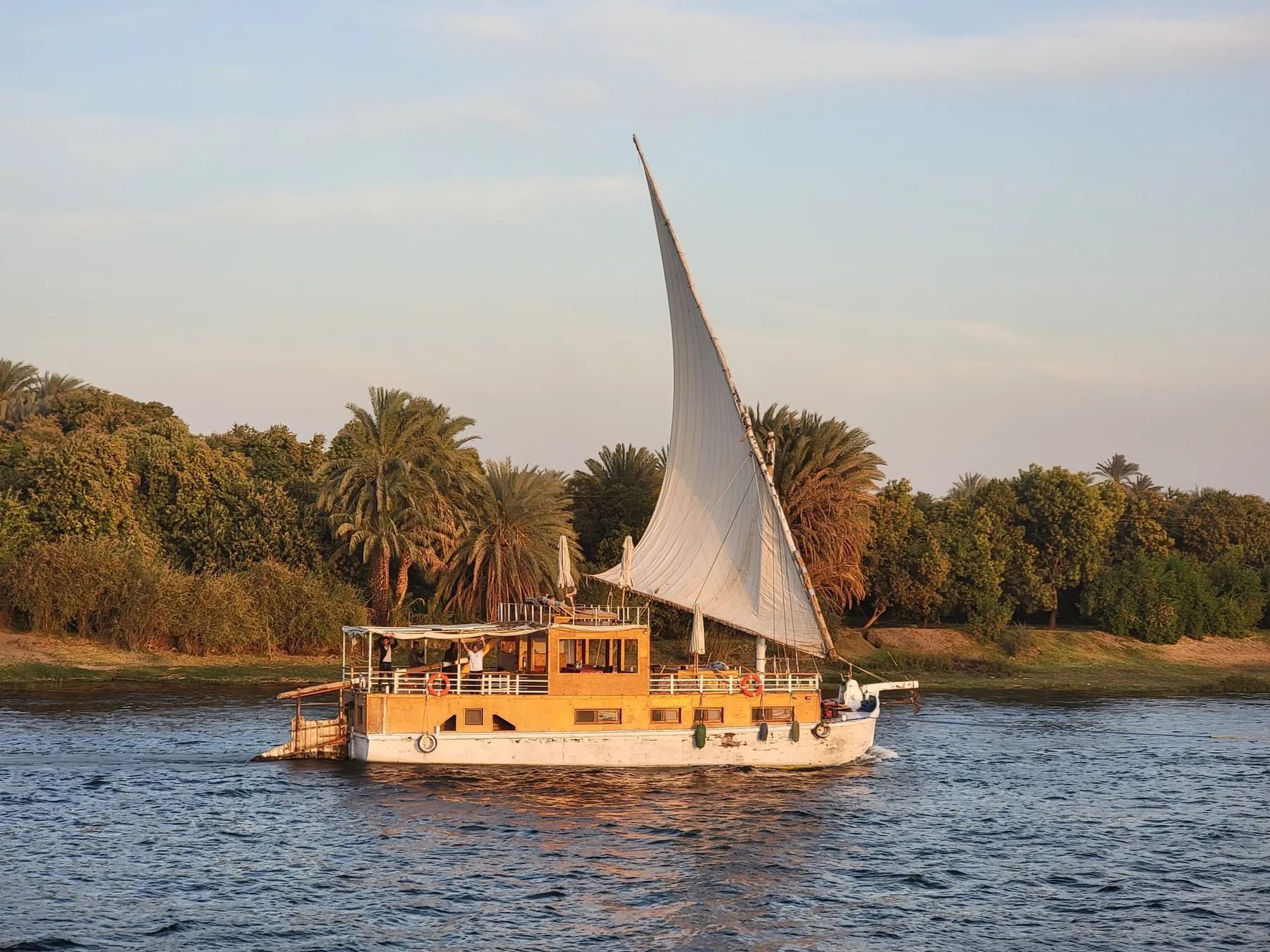 Photo: Votpuske, CC BY-SA 4.0