
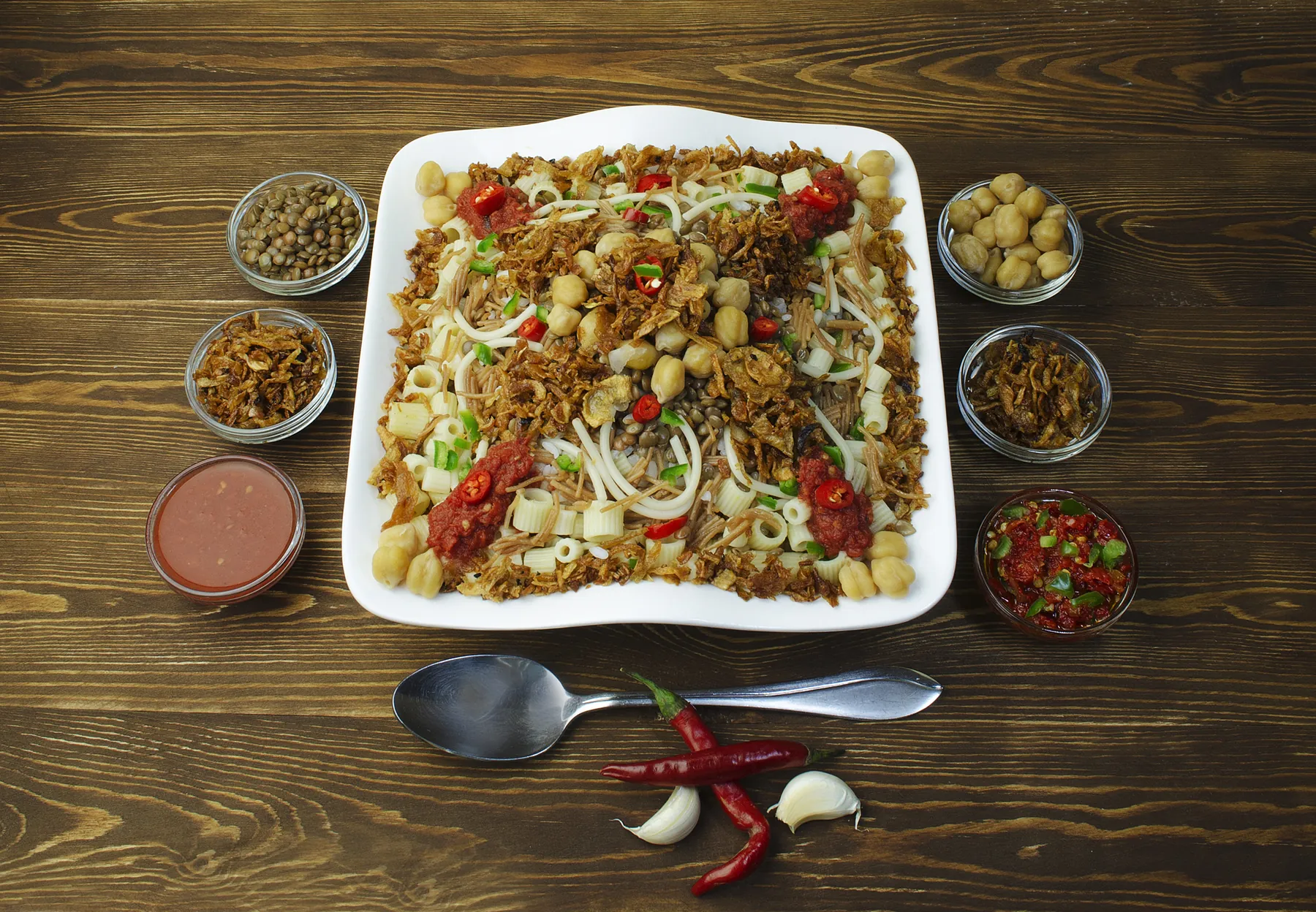
 Photo: Dina Said, CC BY-SA 4.0
How Egyptians eat
Everyday Egyptian food is built on beans, lentils, rice, bread and vegetables, with meat as a treat rather than the base of every meal. That makes it cheap, filling and, for the most part, friendly to vegetarians. Breakfast is often eaten out, at a cart or a small shop selling beans and falafel; lunch is the main meal, eaten in the afternoon; dinner can be late, especially in summer.
Bread comes with almost everything. The everyday loaf is aish baladi, a round, puffy flatbread made with wholemeal flour. The word aish also means "life", which tells you how central it is.
The dishes to look for
| Dish | What it is | When people eat it |
|---|---|---|
| Koshari | Rice, pasta and lentils with tomato sauce and fried onions | Any time, from shops and carts |
| Ful medames | Slow-cooked fava beans, mashed and dressed | Breakfast |
| Ta'ameya | Egyptian falafel, made with fava beans | Breakfast, snacks |
| Molokhia | A green soup of finely chopped mallow (jute) leaves | Home cooking, lunch |
| Hawawshi | Spiced minced meat baked inside bread | Street snack |
| Fiteer meshaltet | Flaky layered pastry, plain, sweet or savoury | Any time |
| Mahshi | Vegetables and vine leaves stuffed with herbed rice | Lunch, family meals |
Koshari is the dish most people associate with Egypt. UNESCO added it to its list of the Intangible Cultural Heritage of Humanity in 2025, describing a dish of inexpensive staples (rice, pasta, black lentils and fried onions) that diners finish with vinegar, garlic and hot sauce to taste. It is sold in dedicated shops, where you order by size, and from street carts. Intrepid Travel's food guide names Abou Tarek in Downtown Cairo as one of the best-known koshari houses. The vinegar-garlic sauce, da'ka, and the chilli sauce come on the side: add them a little at a time.
Ful medames is the national breakfast: fava beans cooked slowly and mashed, then dressed with oil, cumin, lemon and sometimes tahini, tomato or egg. You scoop it up with bread.
Ta'ameya is Egypt's falafel, and the difference matters: it is made with dried fava beans rather than chickpeas, and herbs make it green inside. It is lighter and softer than the chickpea versions found elsewhere. Eat it hot, in bread with salad and tahini.
Molokhia divides opinion. The leaves are chopped very fine and simmered in broth with garlic and coriander until slightly viscous. It is served with rice or bread, often alongside chicken or, traditionally, rabbit.
Hawawshi is street food at its most direct: spiced minced meat, onion and chilli pressed into bread and baked until the outside is crisp.
Fiteer, also written feteer, is often called Egyptian pizza, though it is closer to a pastry. Thin dough is stretched, folded in many layers with butter or ghee and baked. Fiteer meshaltet is the plain version, eaten with honey, molasses or cheese; filled versions come with cheese, minced meat, sausage or, for dessert, custard and sugar. Shops that make it are called fatatri.
Mahshi means "stuffed": courgettes, aubergines, peppers, cabbage and vine leaves filled with rice, herbs and tomato, then cooked slowly. It is home cooking at its centre, and restaurants that serve Egyptian food usually have it.
Two more you will meet: fattah, layers of crisp bread, rice and meat with a garlic-vinegar tomato sauce, a dish for feasts and religious holidays; and grilled meats (kofta and kebab), sold by weight in grill houses.
Desserts
- Om ali: Egypt's bread pudding, made with pastry, milk, sugar, nuts and raisins, baked until golden and served hot.
- Basbousa: a semolina cake soaked in syrup, often topped with almonds or coconut.
- Kunafa: shredded pastry with syrup, filled with cream, cheese or nuts. It is especially popular during Ramadan.
- Roz bel laban: rice pudding, sold in small pots. UNESCO notes that dessert shops near koshari sellers often serve it to finish the meal.
What to drink
- Tea (shai): strong, black and usually sweet unless you ask otherwise; shai bil na'na' comes with fresh mint. It is drunk at all hours, often in traditional cafés, or ahwa. El-Fishawy, in Khan el-Khalili, a café said to date from 1773, is the best known (see Islamic Cairo).
- Karkade: hibiscus, deep red, served cold and sweet in summer or hot in winter.
- Sugar-cane juice (asab): pressed to order in juice shops with a big machine at the counter, sweet and cheap.
- Fresh juices: mango, guava, orange and lemon with mint, depending on the season.
- Coffee: Turkish-style, boiled with the grounds; ask for mazbout for medium sugar.
- Alcohol: available in hotels, some restaurants and licensed shops, but many places do not serve it.
Street food and hygiene
Street food is one of the best things to eat in Egypt, and with a few habits you can enjoy it with less risk. The US CDC rates the risk of travellers' diarrhoea in Egypt as high, and the UK's TravelHealthPro advice (updated May 2026) comes down to a few rules:
- Choose food cooked to order and served hot. A busy ful cart or ta'ameya fryer with a fast turnover is a better bet than a tray that has been sitting out.
- Drink bottled water and use it to brush your teeth. The CDC notes that tap water outside large hotels is not considered safe to drink.
- Be careful with ice, raw salads and fruit you have not peeled yourself. Fresh juices are made with fruit and sometimes ice or water, so judge the shop.
- Wash your hands or use hand gel before eating.
None of this means avoiding street food. It means choosing busy places, hot food and bottled water, and pacing yourself in the first days.
Vegetarian and vegan options
Egypt is one of the easier countries in the region for vegetarians. Koshari, ful, ta'ameya, most mahshi, lentil soup (shorbat ads), fiteer with cheese and the dips that come with bread (tahini, baba ghanoush) are all meat-free. Coptic Christians fast from animal products for long periods of the year, so many places offer siyami (fasting) versions of dishes, which are vegan; it is a useful word to know.
Two things to check: molokhia and some rice dishes are usually cooked in meat or chicken stock, and mahshi sometimes contains minced meat. Ask "bi lahma?" (with meat?) if in doubt.
Ramadan
During Ramadan, Muslims fast from dawn to sunset, and daily life shifts. Ramadan 2027 is expected to begin around 8 February 2027 and to end with Eid al-Fitr around 9 or 10 March, depending on the sighting of the moon (as of September 2026, according to The National).
What it means for food:
- Daytime: many local restaurants and cafés open late or close until sunset. Hotel restaurants and tourist places stay open. Eating, drinking and smoking in public in daylight is best avoided out of courtesy.
- Sunset (iftar): the fast is broken with dates and water, then a full meal. Streets go quiet for half an hour, then fill up.
- The evening: cafés and streets stay busy late, and seasonal sweets such as kunafa and qatayef (stuffed pancakes) are everywhere.
Opening hours of museums and sites are often shorter during Ramadan. The Egyptian Museum, for example, lists 9:00 to 16:00 during the month (as of October 2026). Our guide to the best time to visit has more on the seasons.
Paying and tipping in restaurants
Many restaurants add a service charge to the bill, usually 12% according to Egypt Tours Plus (May 2026), and it does not always reach the waiter. It is usual to leave a little extra in cash on the table: our guide to money, tipping and haggling suggests 5–10% when service is already on the bill (as of May 2026), and rounding up in simple places. At koshari shops, juice stands and carts, rounding up or leaving the coins is enough.
Menus in local places may be in Arabic only, and prices for tourists are not always written. Ask the price before you order at carts and small shops, and keep small notes, since change can be scarce.
Where to eat it
In Cairo, the lanes around Khan el-Khalili and the streets of Downtown have the highest concentration of koshari shops, ful and ta'ameya stands and juice bars. In Luxor and Aswan the same dishes appear, with Nubian specialities added in Aswan. If you are planning a few days in the capital, see Cairo in 3 days.
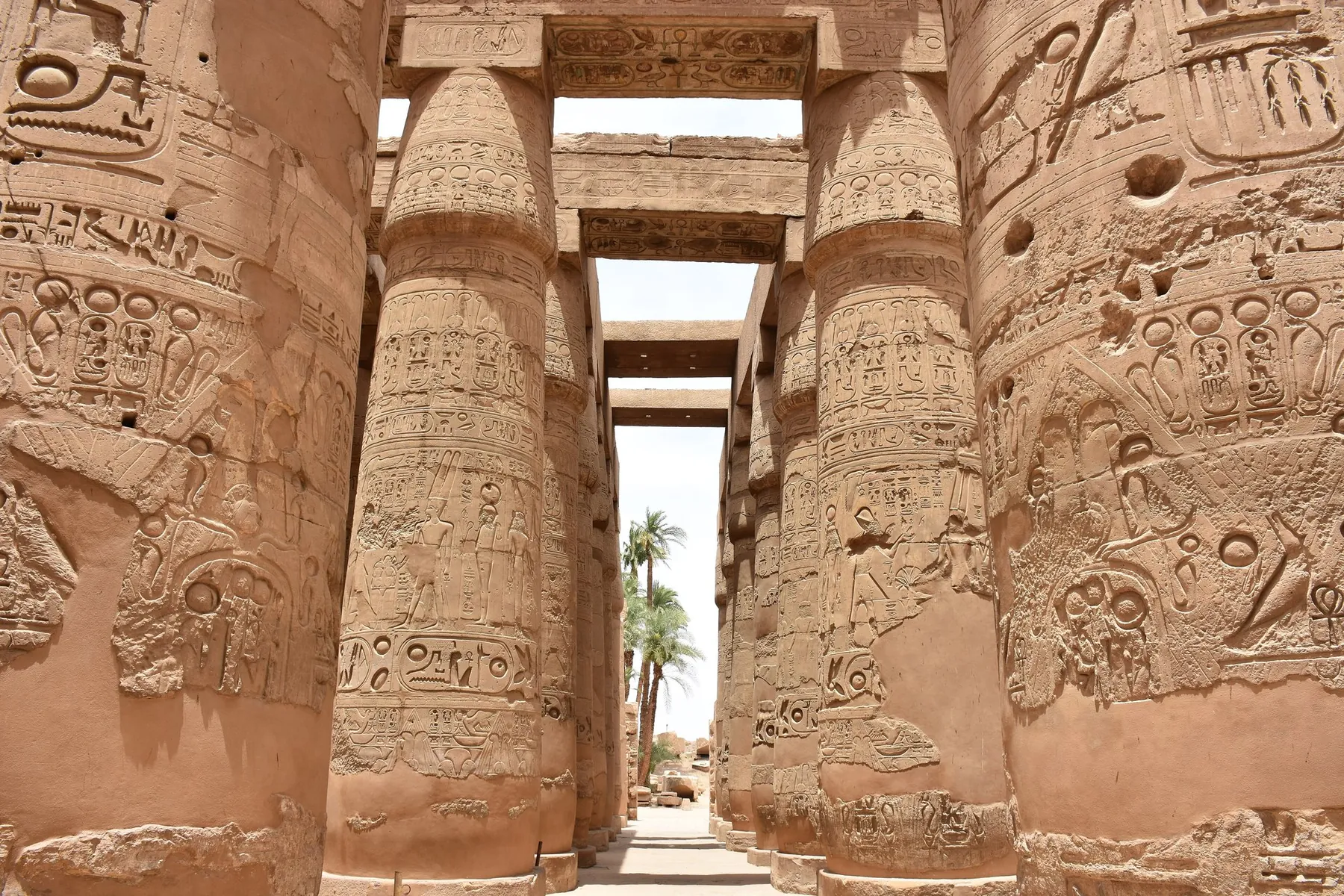 Photo: MusikAnimal, CC BY-SA 4.0
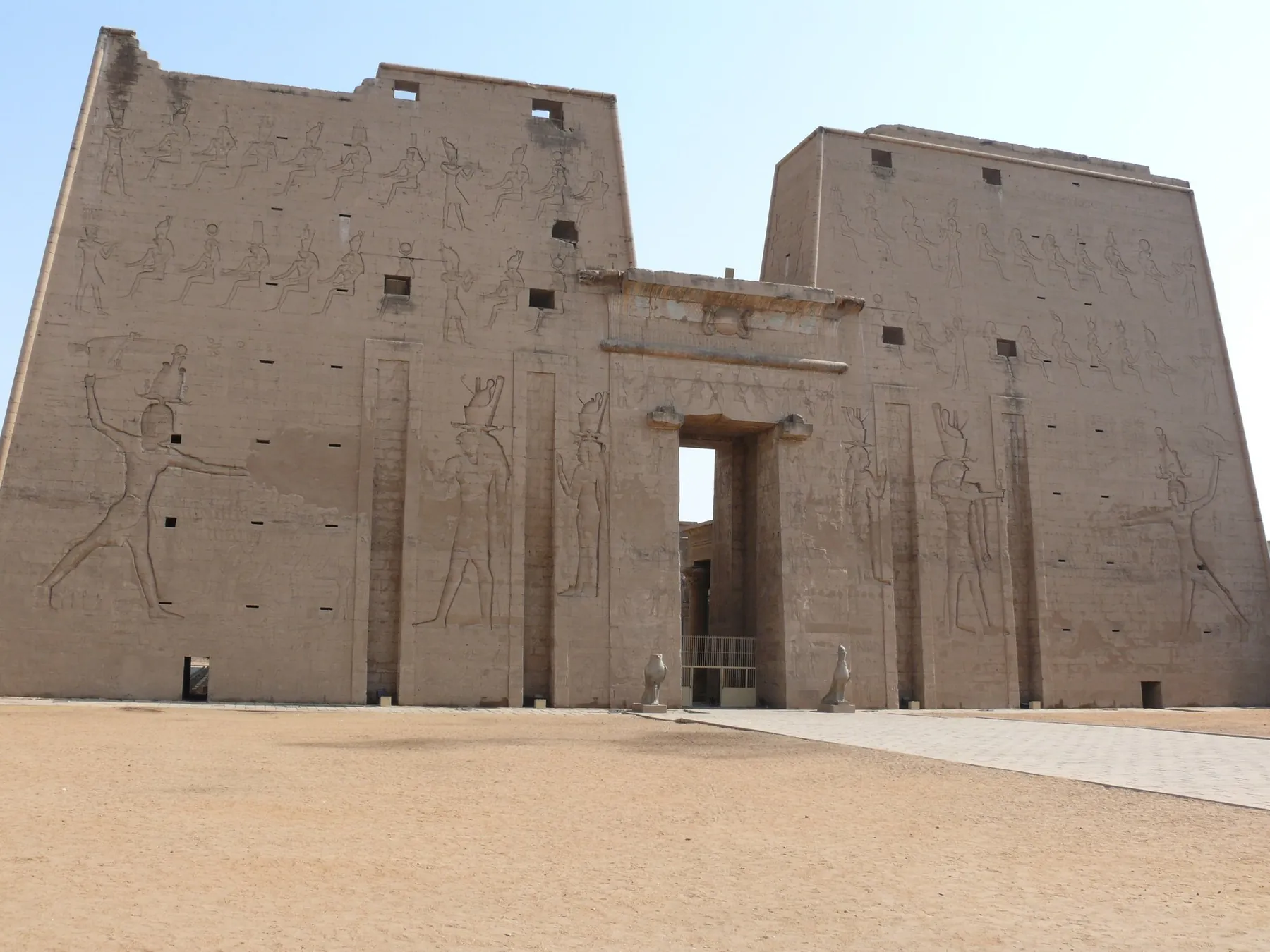 Photo: Ad Meskens, CC BY-SA 3.0
 Photo: Votpuske, CC BY-SA 4.0