
 Photo: Diego Delso, CC BY-SA 4.0
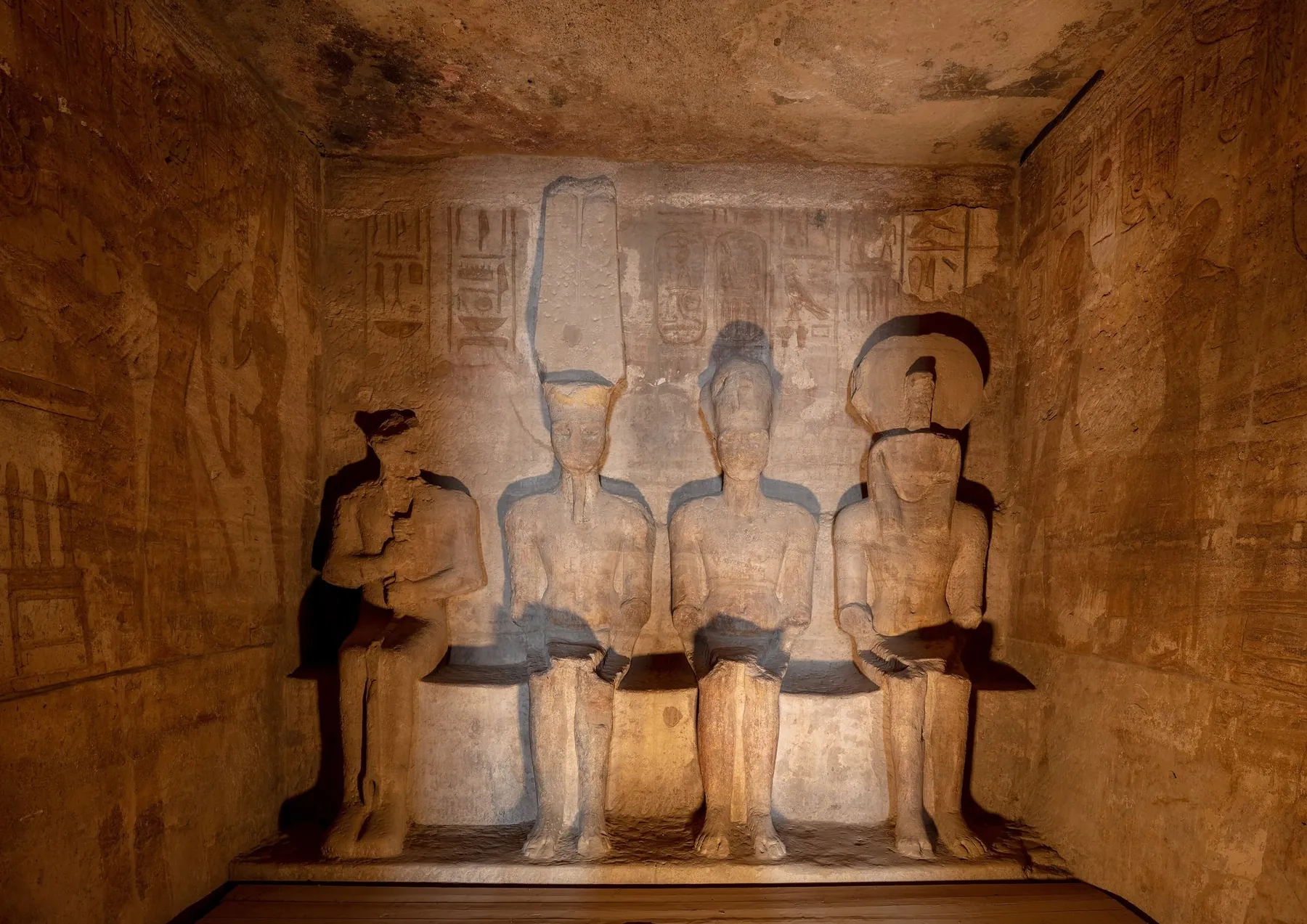
Two full days are enough to see the core of Aswan at an unhurried pace: the temple of Philae, the Nubian Museum, Elephantine Island, the tombs on the west bank and an hour or two on a felucca. This plan does not include Abu Simbel. The temples are about 280 km away by road, and a visit takes most of a day on its own, so if you want them, add a third day and read Abu Simbel from Aswan.
The plan below is built from the official opening hours and ticket prices published by the Ministry of Tourism and Antiquities, plus recent travel reports for the boats and ferries. It is a template, not a timetable: move pieces around to suit the heat, your hotel and your energy.
Before you start
Tickets and opening hours
These are the official prices for foreign adults, as of October 2026. Students with a valid card pay half.
| Site | Hours | Foreign adult ticket |
|---|---|---|
| Philae temples | 07:00–16:00 daily | EGP 550 |
| Nubian Museum | 09:00–17:00 (ticket window closes 16:00) | EGP 400 |
| Abu Simbel (not in this plan) | 06:00–17:00 daily | EGP 750 |
The Nubian Museum also lists evening opening on Thursdays and Fridays (18:00–21:00) and shorter hours during Ramadan. Prices change, sometimes with little notice, so check egymonuments.gov.eg the week you travel. Several smaller sites (the Unfinished Obelisk, the Tombs of the Nobles, the ruins on Elephantine) also charge entry; recent trip reports give different figures, so we leave them out rather than guess.
Cash, boats and heat
You will use boats a lot in Aswan. The public ferries to Elephantine and the west bank are cheap and paid in cash, so carry small notes. Motorboats to Philae and feluccas are private hires: agree the price per boat, the duration and what is included before you step on board, and pay at the end.
From May to September, Aswan's average daily high is around 40 °C or more (see best time to visit). In those months, do everything outdoors before about 11:00 and after about 16:00, and keep the middle of the day for the museum, lunch and your hotel.
Day 1: Philae, the Nubian Museum and a felucca at sunset
Morning: Philae
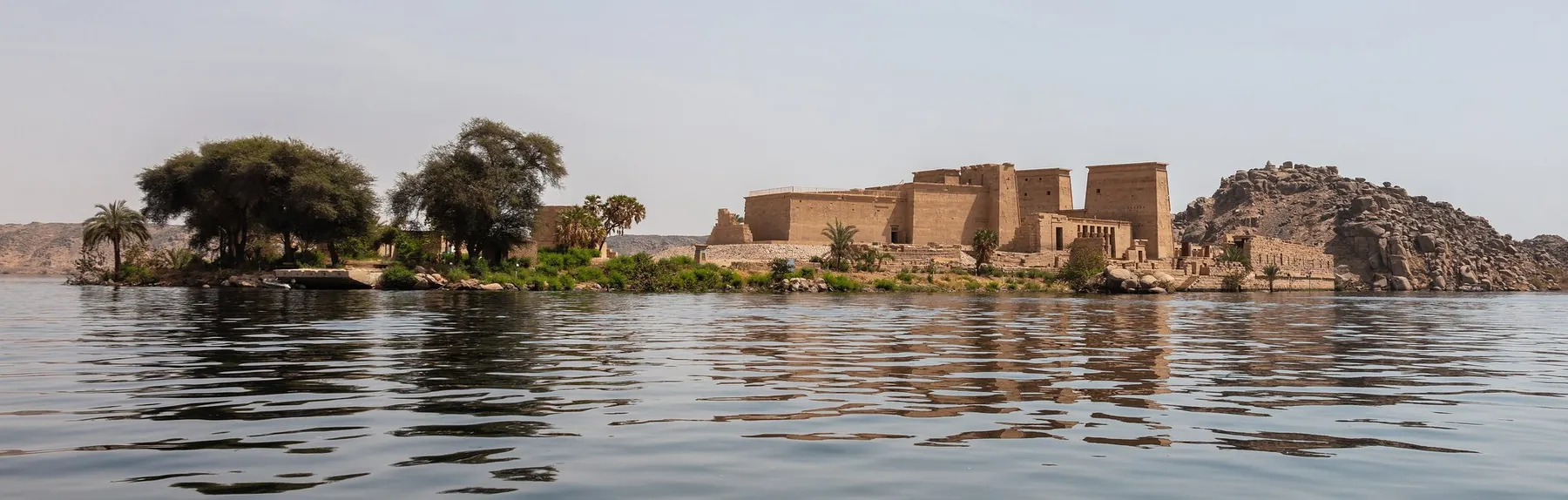
Start early. Philae opens at 07:00, and the first hours are the coolest and calmest. The temples stand on Agilkia Island, south of the city, where they were moved during the UNESCO rescue campaign before the High Dam flooded their original island. You reach them by taxi or ride-hailing to the landing, then by motorboat to the island.
A travel report updated in October 2026 describes a first asking price for the boat of EGP 500 per person for the return trip, negotiated down to EGP 100, and notes that around EGP 200 per person is commonly seen as fair (as of October 2026). Treat these as a reference point for your own negotiation, not a fixed fare. Allow roughly two hours for the boat, the visit and the walk around the island.
If you have energy left, you can add the High Dam and the Unfinished Obelisk on the way back to town. Many organised half-day tours bundle the three; if you go on your own, ask your driver for a price for the whole loop before you set off.
Midday: rest
Go back to your hotel or find shade for lunch. This is the hottest part of the day for most of the year, and the plan only works if you do not try to fill it.
Afternoon: the Nubian Museum
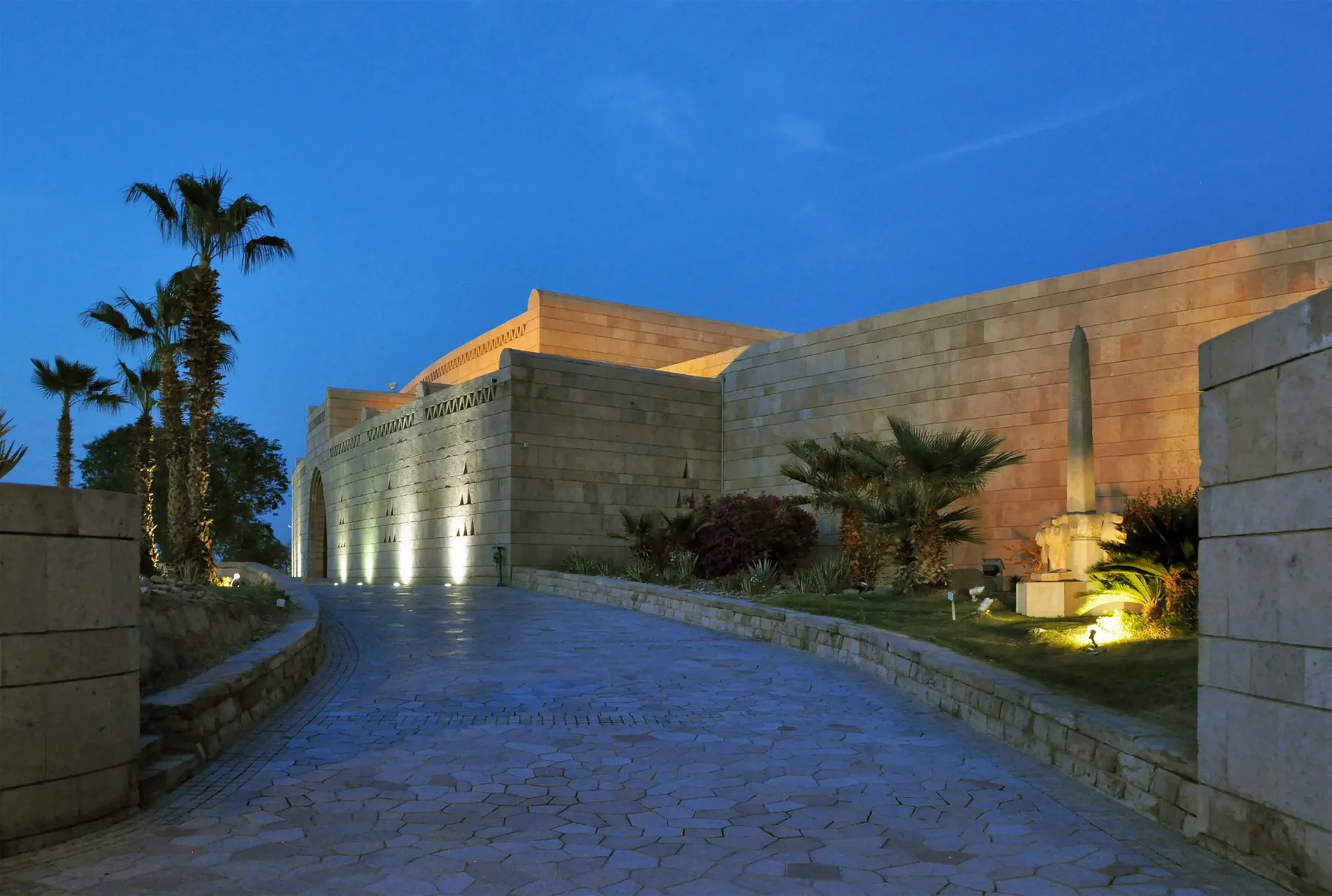
The Nubian Museum, on the hill above the southern end of the Corniche, tells the story of Nubia from prehistory to the villages that were flooded by Lake Nasser in the 1960s. It makes the rest of your visit easier to read: the houses on Elephantine, the villages on the west bank and Abu Simbel all make more sense afterwards. Arrive by about 15:00 so you have time before the ticket window closes at 16:00 (as of October 2026). On Thursday and Friday the museum also opens in the evening, which is useful in summer.
Sunset: felucca
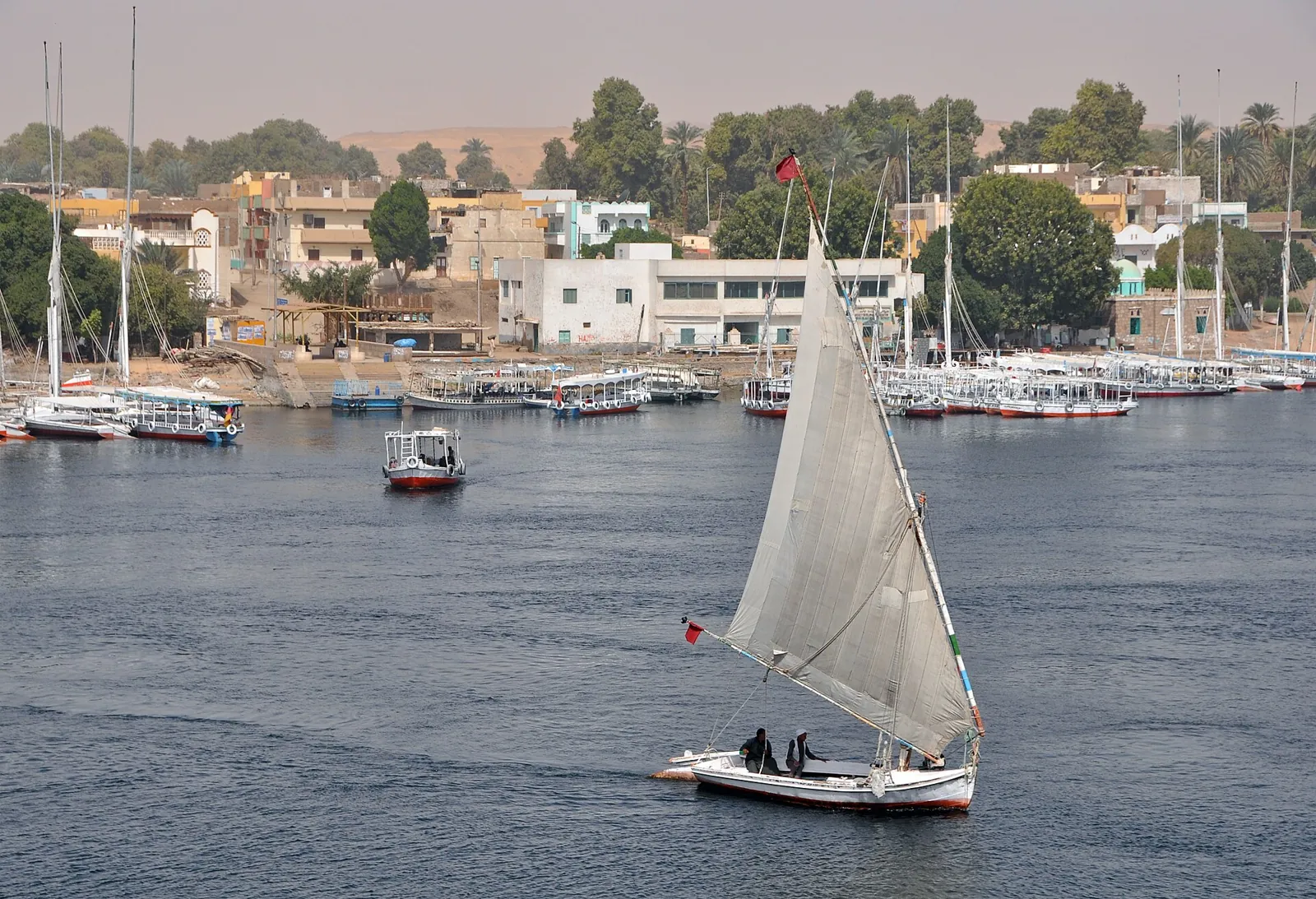
End the day on the water. Feluccas leave from the Corniche and usually circle Elephantine and Kitchener's Island (the Botanical Garden) for one to two hours. The wind decides the route and the speed; on a still evening the boat drifts more than it sails. Agree the price for the boat and the time, not per person, and check whether a stop on Kitchener's Island is included. Sunset over the dunes of the west bank is the reason most people time it this way.
Evening
Walk the Corniche north towards the souq. The market street runs parallel to the river and is busiest after dark, when the heat drops.
Day 2: Elephantine, the west bank and a Nubian village
Morning: Elephantine Island
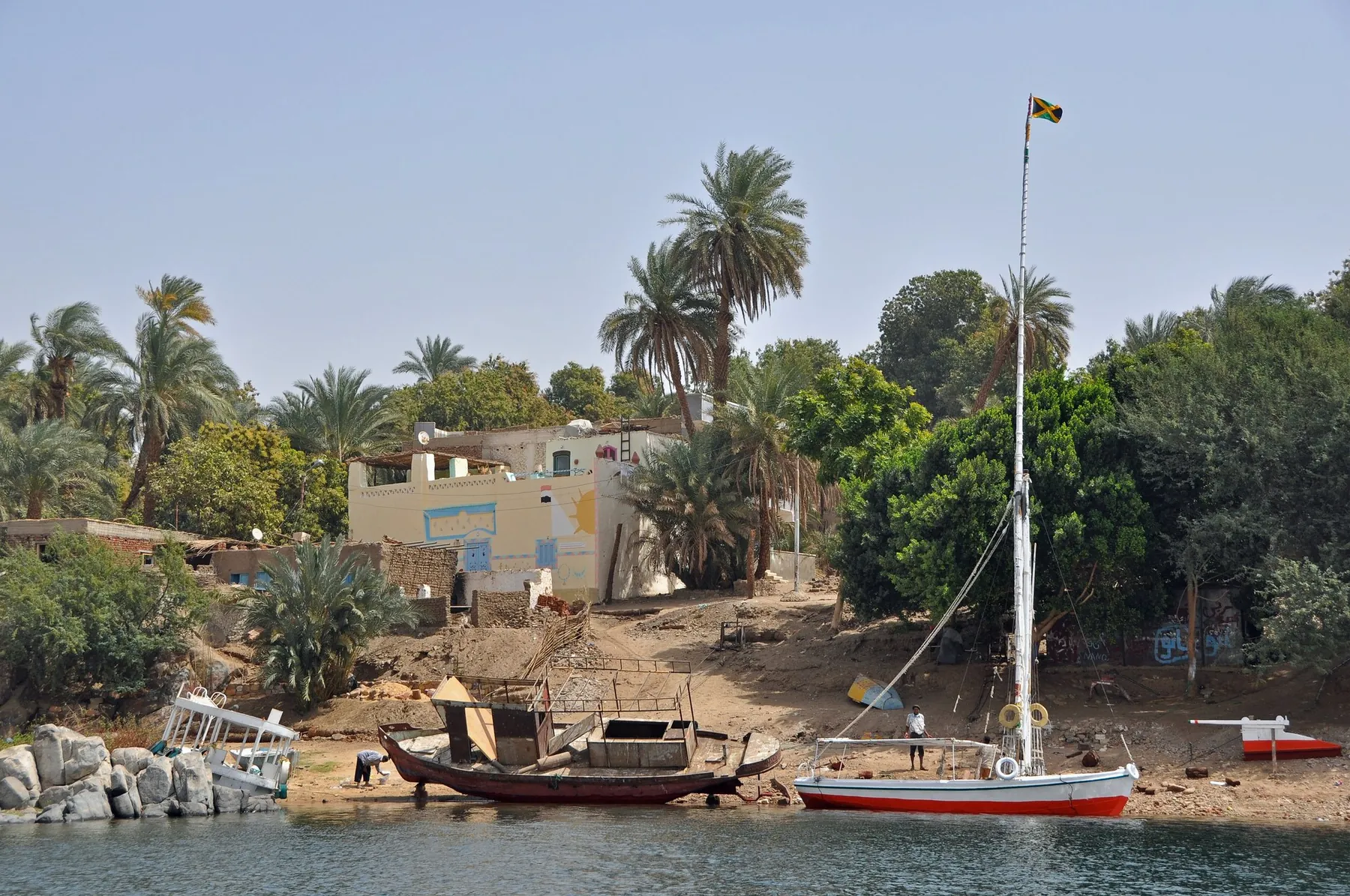
Take the public ferry from the Corniche to Elephantine. The island has two Nubian villages, Siou and Koti, with painted houses and narrow lanes, and at its southern end the ancient town of Abu, one of the oldest settlements in Aswan, with temple remains, a museum and a Nilometer. Give it two to three hours. The villages are residential: walk quietly, ask before you photograph people and stay on the lanes.
If you are sleeping on the island, this morning is a short walk from your door. Several of the best-rated guest houses in this guide are in these villages (see below).
Late morning: Tombs of the Nobles
Cross to the west bank. The rock-cut tombs of Qubbet el-Hawa, known as the Tombs of the Nobles, sit in the hillside opposite the city; a ferry runs from the Corniche to the landing below them. The tombs belong to governors and officials of the Old and Middle Kingdoms. The climb up the steps is short but steep and has no shade, so go before noon. From the top you get the clearest view in Aswan of the river, the islands and the city.
From the same area, some travellers walk or ride across the sand to the ruined Monastery of St Simeon. It is exposed and hot; do it only in the cooler months and with plenty of water.
Afternoon: Gharb Soheil or the Botanical Garden
You have two good options for the afternoon:
- Gharb Soheil, the largest Nubian village on the west bank, south of the centre, reached by boat. Many tour groups stop here, so expect shops and cafés aimed at visitors as well as guest houses; it is also where many visitors try Nubian food.
- Kitchener's Island (the Aswan Botanical Garden), a short boat ride from the Corniche, if you prefer shade and a quiet walk. If your felucca on Day 1 stopped there, choose Gharb Soheil.
Evening
Spend the last evening on a riverside terrace. If you want to see the Old Cataract without staying there, ask the hotel in advance how it handles visits from non-guests, as access and minimum spends can change.
The two days at a glance
| Morning | Midday | Afternoon | Evening | |
|---|---|---|---|---|
| Day 1 | Philae (from 07:00) | Rest | Nubian Museum | Felucca at sunset, souq |
| Day 2 | Elephantine villages and ruins | Tombs of the Nobles | Gharb Soheil or Botanical Garden | Riverside dinner |
Where to stay for this plan
Where you sleep changes how this plan feels more than anything else. You can find all the options on our page about where to stay in Aswan; these are the ones that fit two days best.
- On Elephantine Island, Day 2 starts at your door and the ferry puts you on the Corniche in minutes. ABU Nubian Guest House has the highest score in this guide, 9.8 on Booking.com from 432 reviews (checked 11 Oct 2026). Kashta Nubian Guest House scores 9.7 from 374 reviews, and Fadl Kato 9.4 from 291 reviews, both checked 11 Oct 2026. Queen House, 9.1 from 357 reviews (checked 11 Oct 2026), faces the west bank and the tombs. All four are in the budget tier.
- On the southern Corniche, you can walk to the Nubian Museum. The Old Cataract (9.4 from 407 reviews) and Basma (8.6 from 1,288 reviews), both checked 11 Oct 2026, are the guide's options there, at the top end of the price range.
- On Isis Island, Pyramisa Island (9.0 from 3,119 reviews, checked 11 Oct 2026) works well for a resort-style stay, but every trip into town depends on the hotel boat, which adds time to a plan built around ferries.
Adding Abu Simbel
With a third day, Abu Simbel fits before or after these two. Most road trips leave Aswan around 04:00 and are back by early afternoon, so you can still manage the felucca that evening. If you would rather avoid the pre-dawn start, you can sleep in Abu Simbel instead; our Abu Simbel guide compares the day trip, the flight and the overnight option, including Kabara Nubian House.
If you are still deciding how to split your nights between the two cities, see Luxor or Aswan and how to get from Luxor to Aswan.
 Area photo: Marc Ryckaert, CC BY 3.0
 Area photo: Marc Ryckaert, CC BY 3.0
 Area photo: Marc Ryckaert (MJJR), CC BY 3.0
 Area photo: Diego Delso, CC BY-SA 4.0
 Photo: MusikAnimal, CC BY-SA 4.0
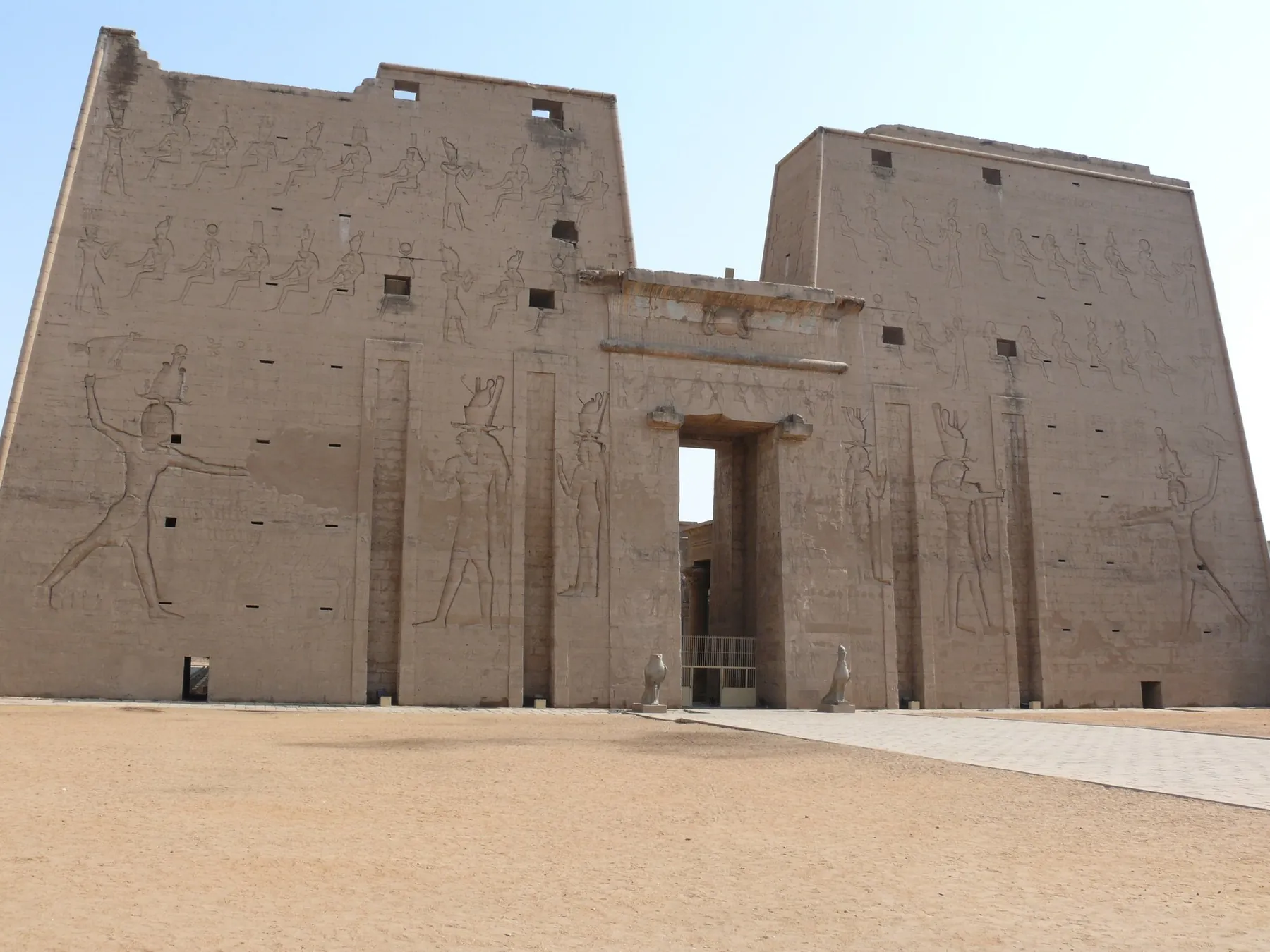 Photo: Ad Meskens, CC BY-SA 3.0
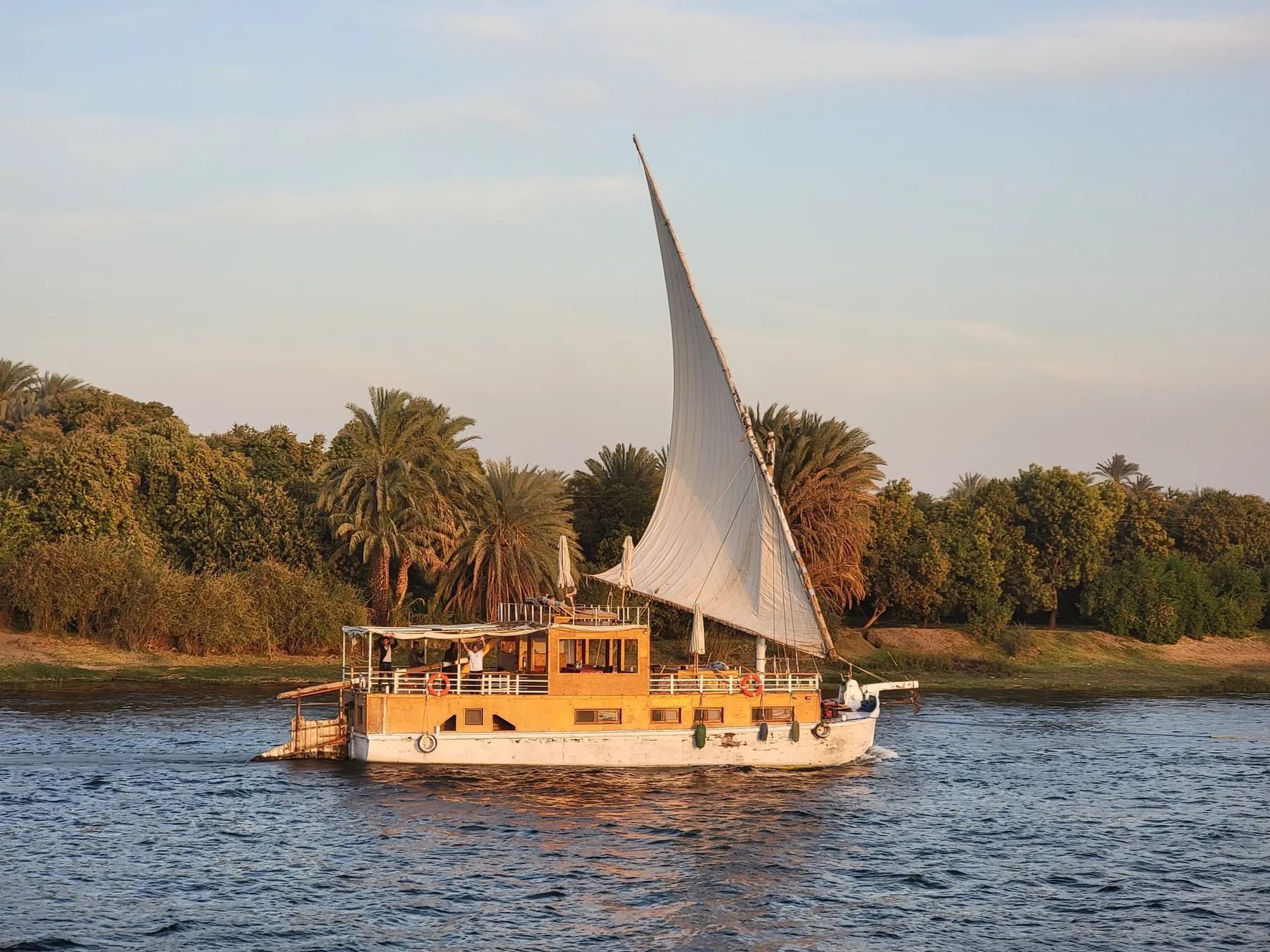 Photo: Votpuske, CC BY-SA 4.0