
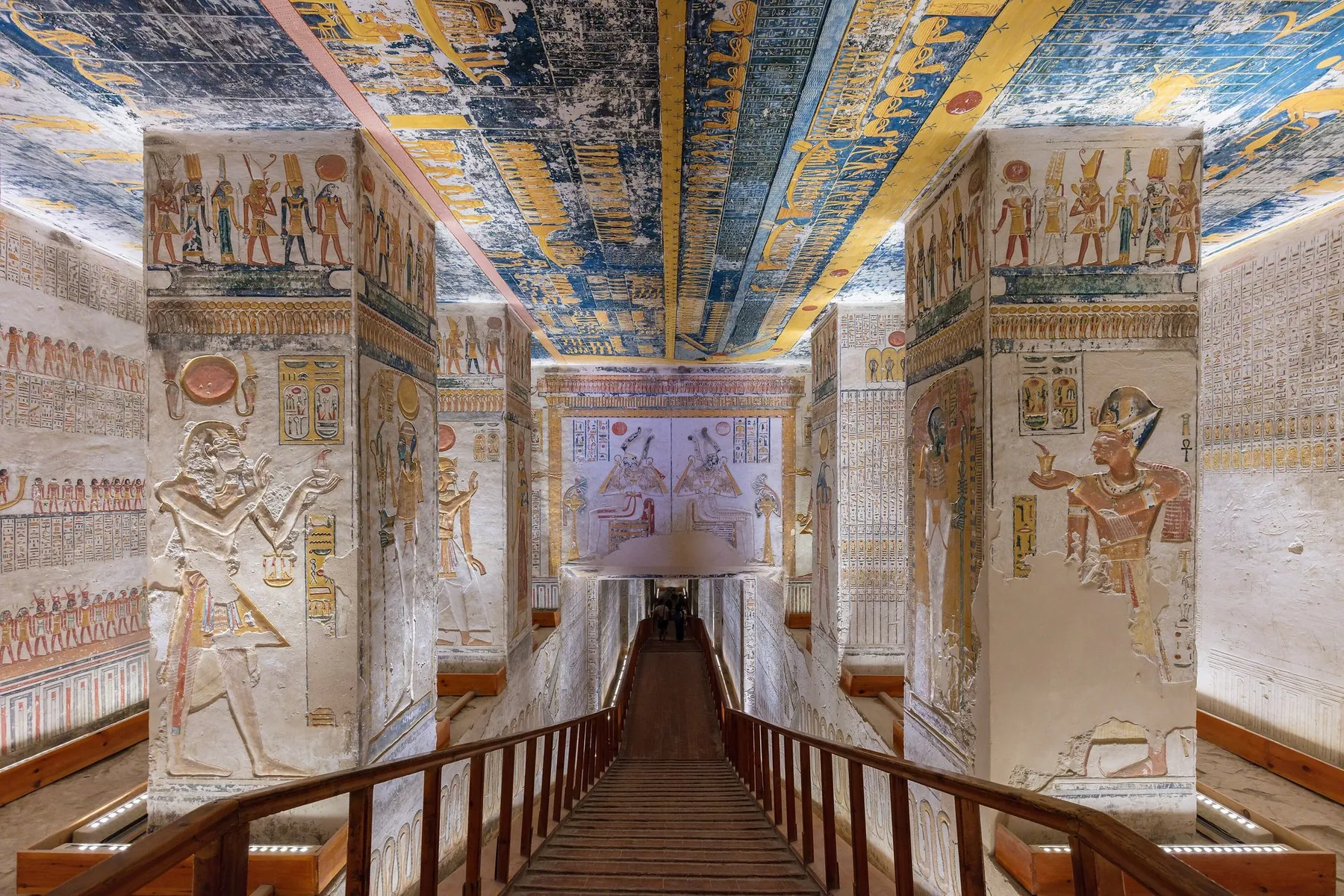
 Photo: Diego Delso, CC BY-SA 4.0
How the three days work
Luxor's sites are split by the Nile. The East Bank has the town, Karnak, Luxor Temple and the Luxor Museum. The West Bank has the tombs and the mortuary temples, spread across several kilometres of fields and desert. The plan below gives the East Bank one day and the West Bank two, because the West Bank is where the distances and the heat add up.
The rule that shapes every day: start early, rest at midday, go out again late. Karnak and the Valley of the Kings open at 6:00 and close at 17:00, while Luxor Temple stays open until 20:00, according to the ministry (as of October 2026). Discover Discomfort's guide (updated August 2026) suggests the same pattern: Karnak early, a break through the hottest hours, Luxor Temple in the late afternoon and evening.
Before you go: tickets and the Luxor Pass
Since 2026 most sites take payment by card only (as of April 2026, according to Nile Empire), so carry a card that works abroad and some cash for tips and small purchases.
The ticket prices for foreign adults used in this plan:
| Site | Ticket (EGP) | Source, date |
|---|---|---|
| Karnak | 600 | Ministry, October 2026 |
| Luxor Temple | 500 | Ministry, October 2026 |
| Luxor Museum | 400 | Nile Empire, April 2026 |
| Valley of the Kings (3 tombs) | 750 | Ministry, October 2026 |
| Tutankhamun's tomb (extra) | 700 | Earth Trekkers, July 2026 |
| Seti I's tomb (extra) | 2,000 | Earth Trekkers, July 2026 |
| Temple of Hatshepsut | 440 | Nile Empire, April 2026 |
| Medinet Habu | 220 | Nile Empire, April 2026 |
| Valley of the Queens | 220 | Nile Empire, April 2026 |
The Luxor Pass costs US$130 for the standard version and US$250 for the premium, which adds the tombs of Seti I and Nefertari. Both are valid for five consecutive days, sold in person at Karnak or the Valley of the Kings, paid in cash, and need a copy of your passport and a passport photo (Explore Luxor, as of September 2026). The seven main tickets in the table, without the extra tombs, add up to EGP 3,130 per person. At the exchange rate Earth Trekkers used in December 2025 (EGP 770 for about US$16), that is well under the standard pass. The pass pays off only if you add many of the smaller West Bank sites, or several premium tombs. Do the sums for your own list before you buy.
Day 1: the East Bank
Morning: Karnak. Arrive at opening time. Karnak is the largest temple complex in Egypt and the one that suffers most from crowds and midday sun. The Great Hypostyle Hall, with its forest of columns, is the part not to miss. Two to three hours is a comfortable visit. The ministry sells a separate ticket for the Temple of Mut (EGP 200, as of October 2026) if you want a quieter corner of the complex.
Midday: rest. Go back to the hotel, have a long lunch and wait out the heat.
Afternoon: the Luxor Museum. A compact museum on the Corniche, between Karnak and the centre, with well-lit pieces found in the region. It is a good indoor stop in the hottest part of the day.
Late afternoon and evening: Luxor Temple. Time your visit for sunset, so you see the temple first in daylight and then lit up. The ministry notes that it was once linked to Karnak, about 3 km to the north, by a processional way lined with sphinxes; the avenue starts right at the temple's entrance. The souq and the restaurants of the centre are a short walk away.
Day 2: the West Bank, the Valley of the Kings
Early morning: the Valley of the Kings. Cross the river at first light and aim to be at the gate at 6:00. Earth Trekkers notes that arrivals around 8:00 usually find smaller crowds, that the busiest time is roughly 10:00 to 14:00, and that a small electric tram (EGP 20 return) takes you from the visitor centre to the tombs.
The general ticket covers three tombs from the list of those open on the day. The same guide suggests about two hours for three tombs at a relaxed pace, and three hours for six. If you want the tomb of Tutankhamun or Seti I, see the included tombs first and the extra ones last.
Late morning: the Temple of Hatshepsut. A short drive from the Valley, set against the cliffs at Deir el-Bahari. The terraces have very little shade, so go before noon or leave it for the afternoon.
On the way back: the Colossi of Memnon. Two huge seated statues by the road, a quick stop that needs no planning.
Afternoon: rest, then the river. A sunset felucca sail from the East Bank Corniche is the easy way to end the day. Agree the price and the length of the trip before you board.
Getting around the West Bank. The sites are several kilometres apart, so you need a taxi or a car with a driver for the day. Discover Discomfort advises agreeing the fare and exactly what it includes before you set off. If you cross on the public ferry, you can arrange transport on the other side.
Day 3: the West Bank, the quieter sites
Optional dawn: a balloon flight. Balloons take off over the West Bank around sunrise. If you want one, this is the day for it, because the rest of the plan is close by. Our guide to the Luxor hot-air balloon covers how it works and what to check.
Morning: Medinet Habu. The mortuary temple of Ramesses III has some of the best-preserved painted reliefs on the West Bank and far fewer visitors than the Valley of the Kings.
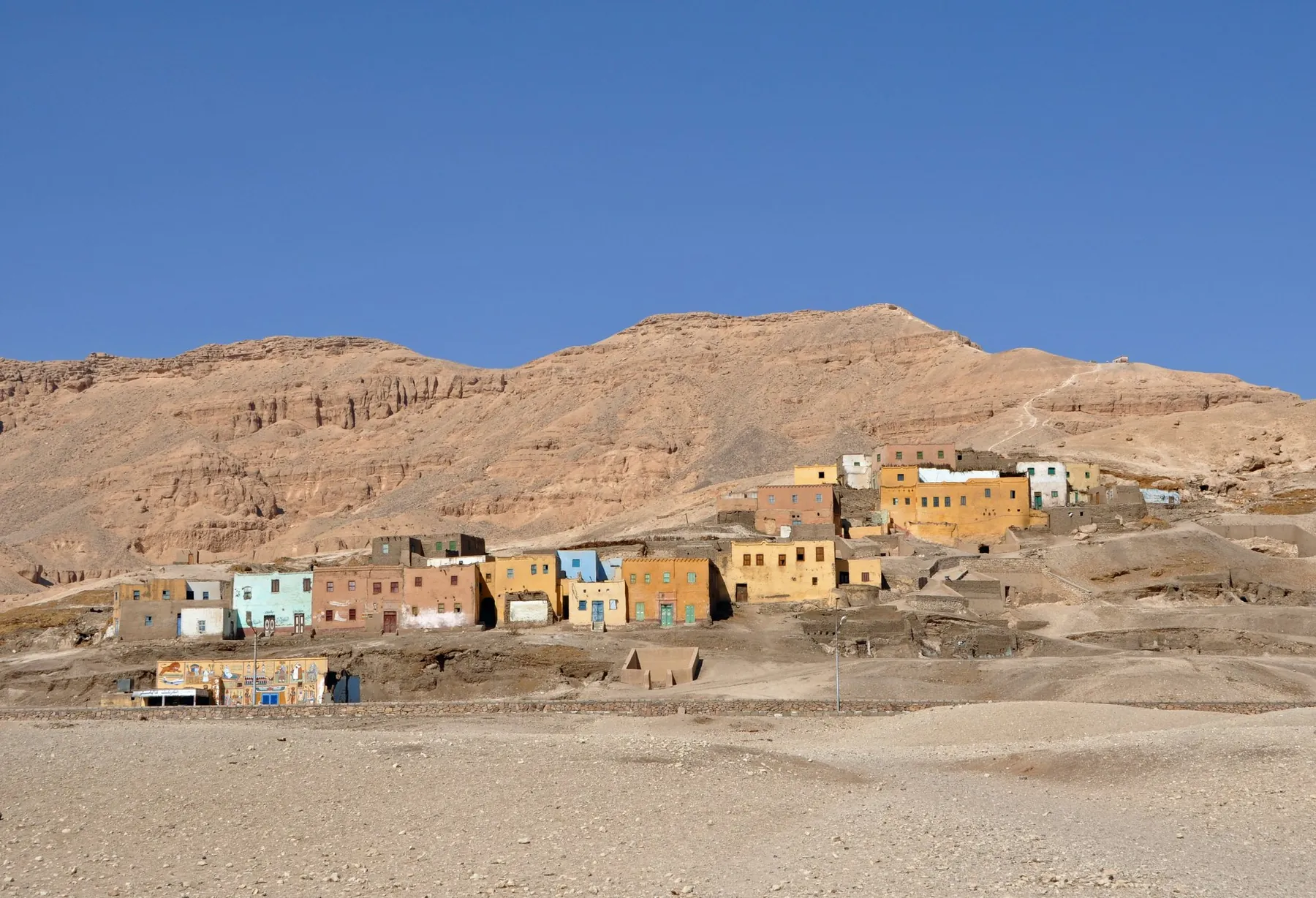
Late morning: the Valley of the Queens or the Tombs of the Nobles. The Valley of the Queens is close to Medinet Habu. Explore Luxor reports that the tomb of Nefertari is closed for restoration with no reopening date confirmed (as of September 2026), so check before you plan around it. The Tombs of the Nobles and the workers' village of Deir el-Medina are the alternatives: smaller tombs, scenes of daily life and few people.
Afternoon: free. Go back to the souq, revisit the part of Karnak you liked most, or spend the afternoon by the pool.
Where to stay for this plan
For the East Bank day and evenings in town, stay in the centre or on the Corniche. Abeer Guest House is about 0.6 km from Luxor Temple in a straight line (9.4 on Booking.com from 592 reviews, checked 11 Oct 2026). On the Corniche, the Sonesta St. George scores 9.1 from 3,505 reviews (Booking.com, checked 11 Oct 2026). Close to Karnak, the Hilton Luxor Resort & Spa is about 1.3 km from the temple in a straight line, but around 4 km from the centre.
For the two West Bank days, the village area by the public ferry, opposite Luxor Temple, keeps the tombs closer and the town one boat ride away. Nile Castle scores 9.5 from 842 reviews, Luxor Oasis Guest House 9.1 from 827 and Luxor Guest House, with self-catering apartments, 9.0 from 471 (all on Booking.com, checked 11 Oct 2026).
All the areas are compared in where to stay in Luxor. If you are deciding between more time here or in Aswan, read Luxor or Aswan?, and if you are considering a boat, Nile cruise or hotels.
If you only have two days
Keep Day 1 as it is and merge the other two: the Valley of the Kings at opening time, Hatshepsut, then Medinet Habu instead of the felucca. It is a long day, but it covers the essentials of both banks.
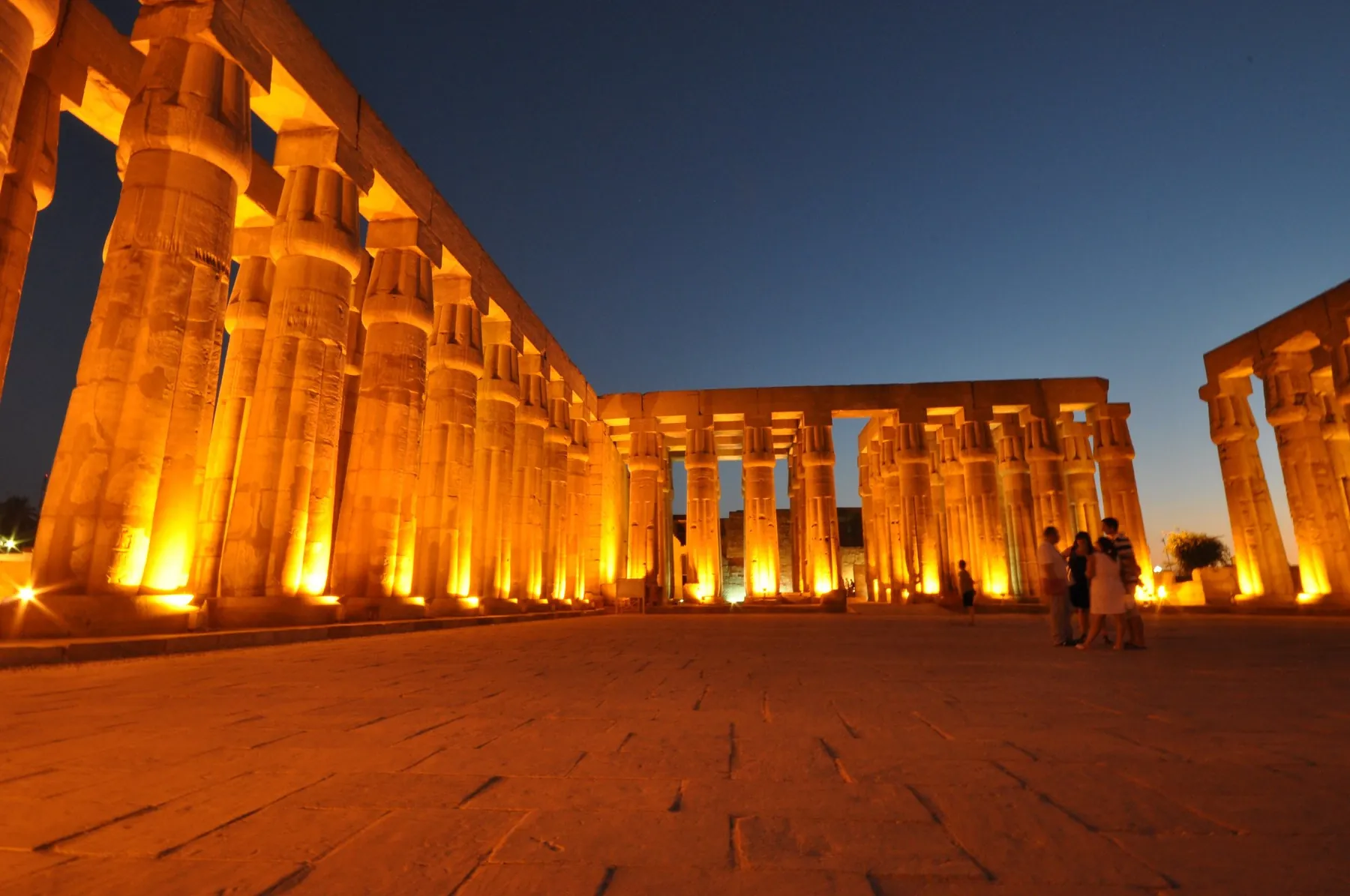 Area photo: Jorge Láscar from Melbourne, Australia, CC BY 2.0
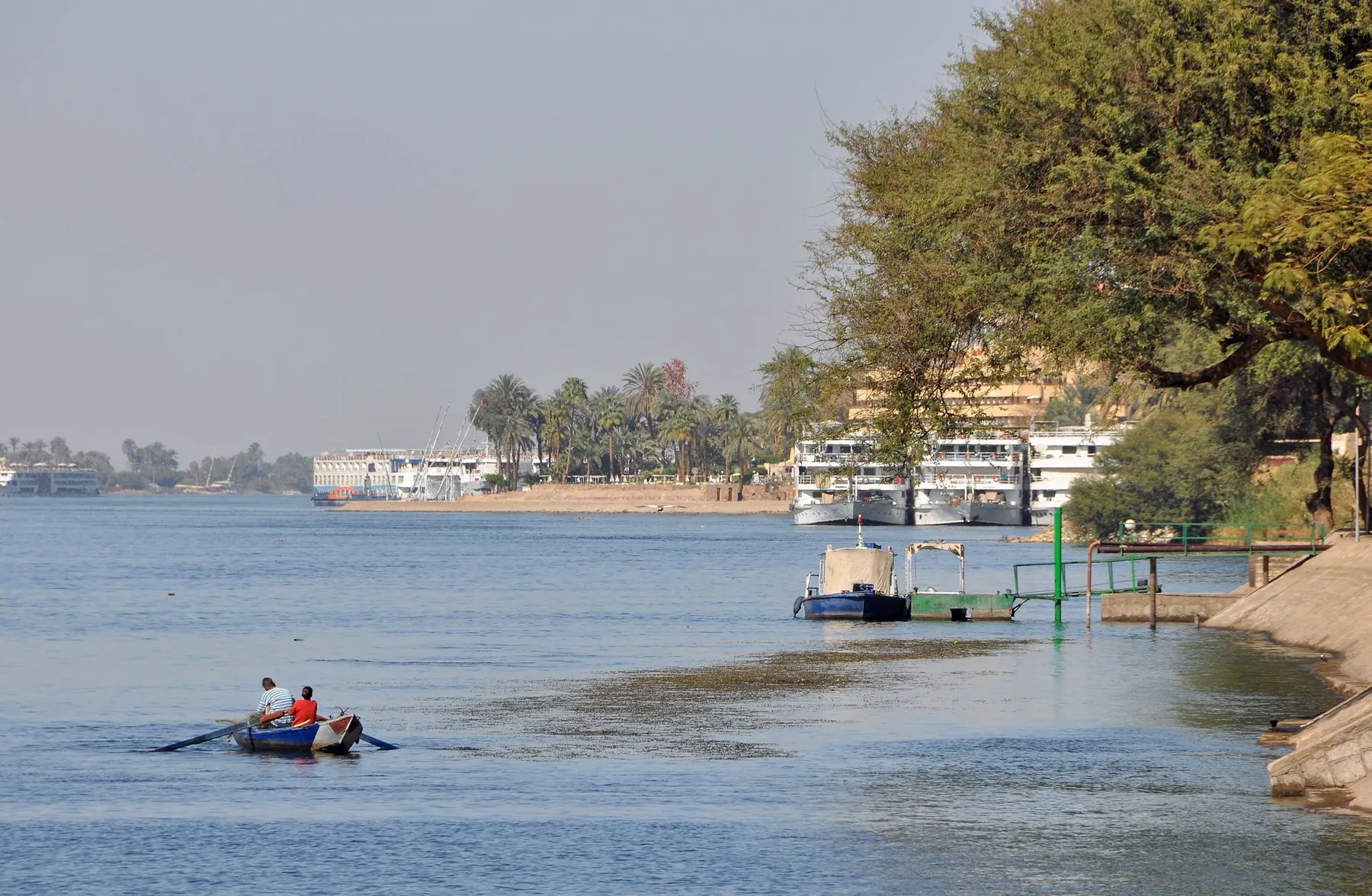 Area photo: Marc Ryckaert (MJJR), CC BY-SA 1.0
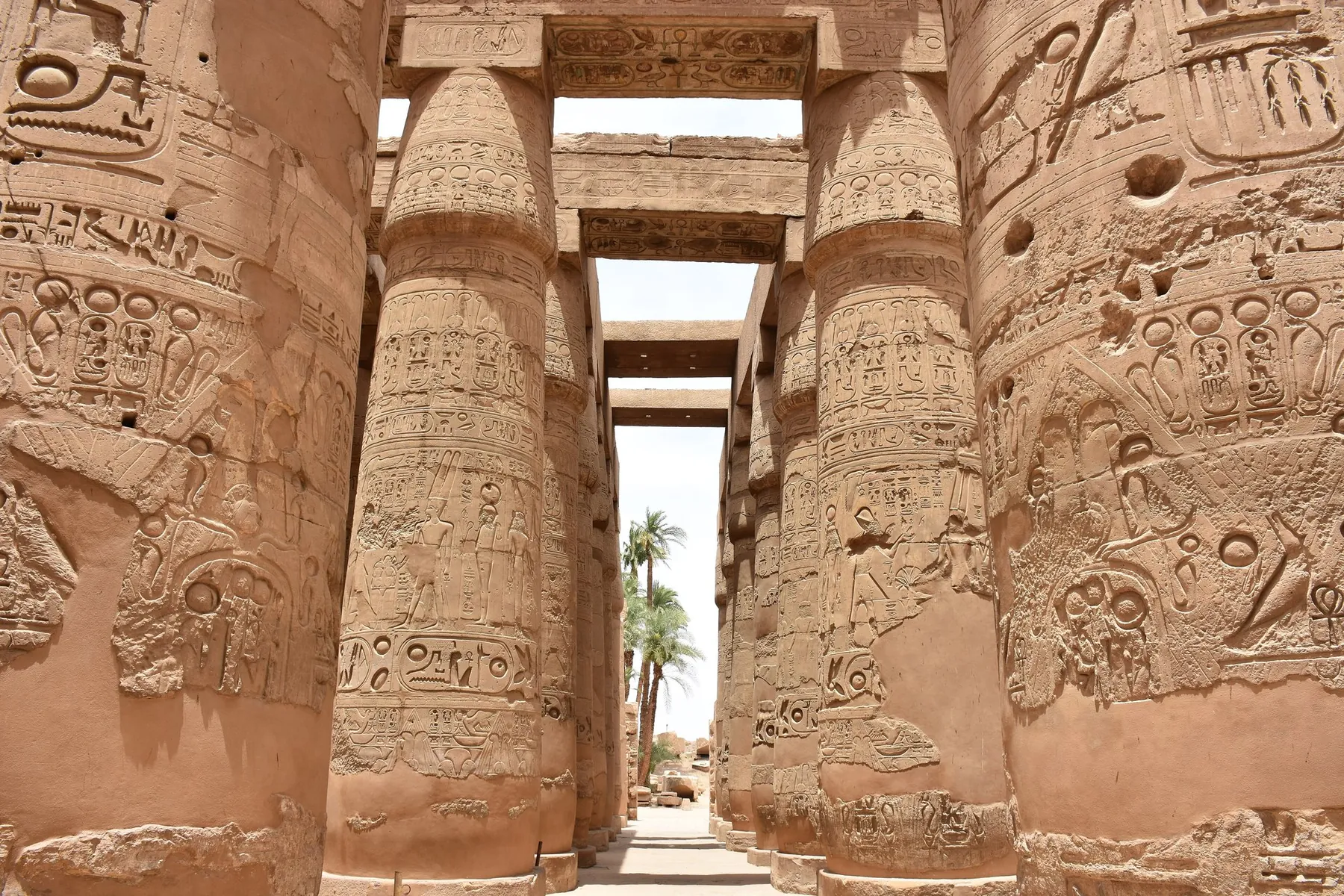 Area photo: MusikAnimal, CC BY-SA 4.0
 Area photo: Marc Ryckaert (MJJR), CC BY 3.0
 Photo: Ad Meskens, CC BY-SA 3.0
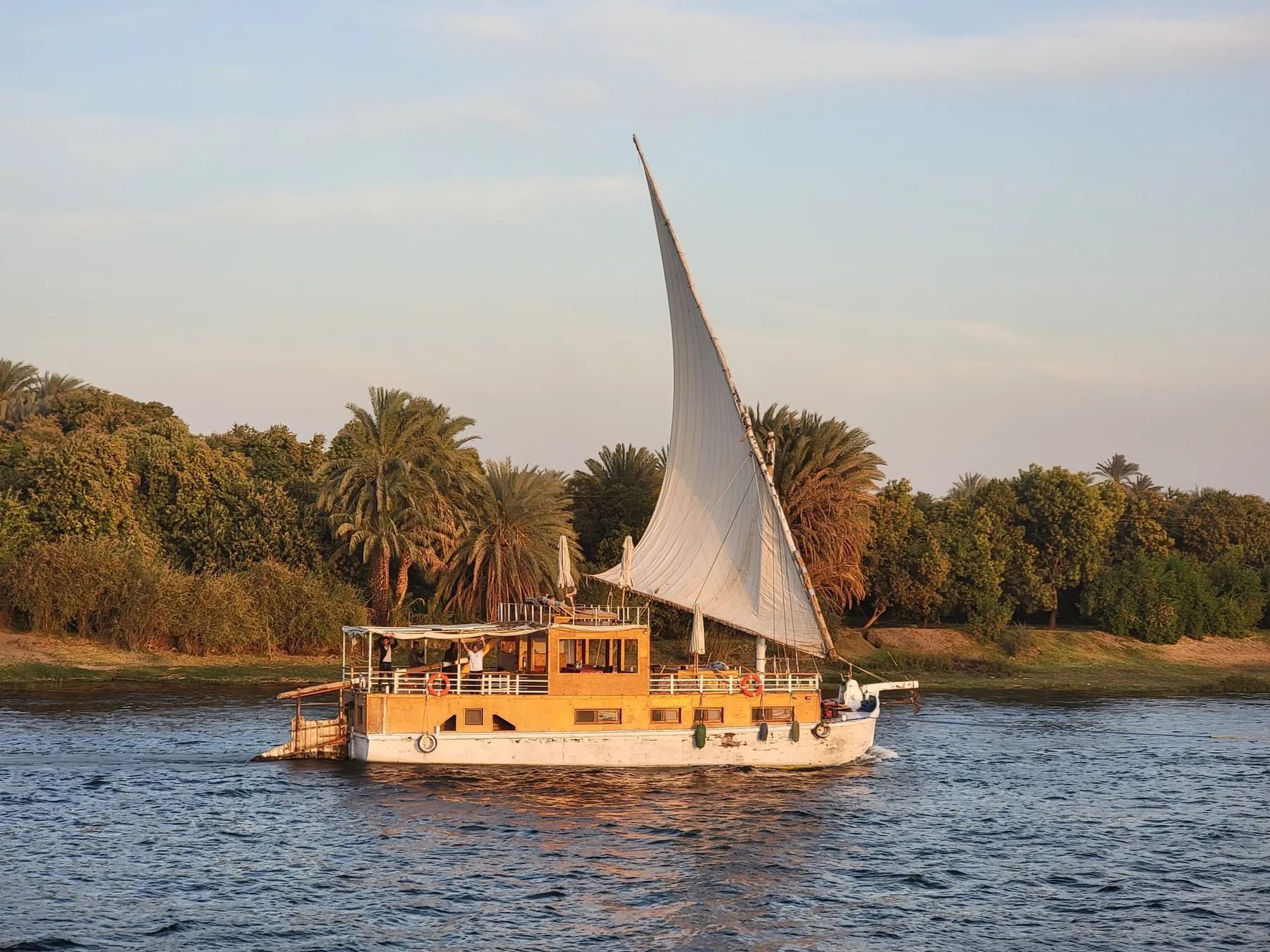 Photo: Votpuske, CC BY-SA 4.0